Looking for a place where local history is part of daily life, not just a story on a sign? Rusk offers that rare mix of small-town function and historic character, with a courthouse square, established neighborhoods, and everyday services that make life feel grounded and practical. If you are thinking about moving to Rusk, buying a home here, or simply learning what makes the town distinct, this guide will walk you through what everyday living really looks like. Let’s dive in.
Why Rusk Feels Different
Rusk has a built-in sense of place that starts with its layout. The city was planned on a Shelbyville-style grid with the courthouse square at the center, which still shapes how people experience downtown today.
That historic core is more than visual charm. The active Cherokee County Courthouse, built in 1940 and 1941, brings Moderne and Art Deco limestone architecture right into the middle of town, while restored Victorian commercial buildings help give the square its familiar East Texas character.
You can also see how different eras overlap here. In a relatively compact area, Rusk includes 19th-century homes, early 20th-century church buildings, and mid-century civic architecture, creating a town center that feels layered rather than generic.
Historic Charm Beyond Downtown
Rusk’s historic feel does not stop at storefronts and public buildings. Residential landmarks near the center show how the town’s older housing stock contributes to its identity.
The Gregg Family Home on East 4th and 5th Street dates to 1847 and 1848 and is described by the Texas Historical Commission as one of the oldest houses in Rusk. The James I. Perkins Family Home on East 5th Street reflects another piece of local history, beginning as an earlier residence before gaining Victorian detailing after 1893.
Nearby, First Presbyterian Church’s current sanctuary dates to 1913 and 1914 and was the first brick church in Rusk. Together, these landmarks help explain why living in or near central Rusk can feel connected to the town’s long history in a very direct way.
What Everyday Living Looks Like in Rusk
Rusk is a small city, but it offers a practical range of services that support day-to-day life. The latest Census Bureau estimate places the population at 5,568 in 2025 across 7.23 square miles of land, which helps explain the town’s compact and accessible feel.
For a town of this size, the local service base is notable. The city lists administration, building and code enforcement, court, fire, library, police, public works, and water and utilities among its local departments and services.
That means Rusk is not just a historic destination. It functions as a working community with the basics in place, which matters if you are choosing a home for long-term living rather than occasional visits.
A Housing Market With Staying Power
The numbers suggest a housing market that is relatively settled. Census data show 1,039 households, a 63.9% owner-occupied housing rate, and 72.5% of residents living in the same house one year earlier.
That kind of stability can appeal to buyers who want a market that feels established instead of constantly shifting. It can also be encouraging for sellers, since a community with long-term residents often reflects consistent local attachment.
Rusk’s price points also stand out compared with larger Texas markets. The Census Bureau reports a median owner-occupied home value of $157,400, a median gross rent of $643, and a median household income of $53,438.
Older In-Town Homes and Rural Edges
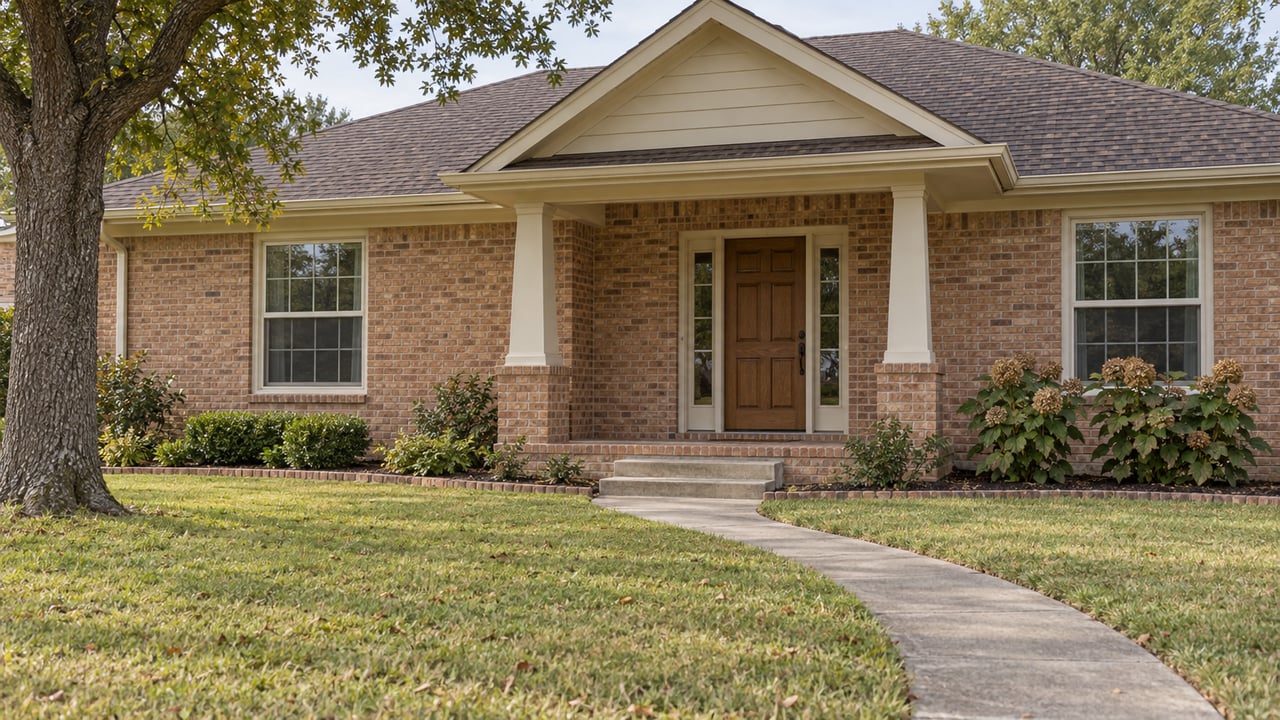
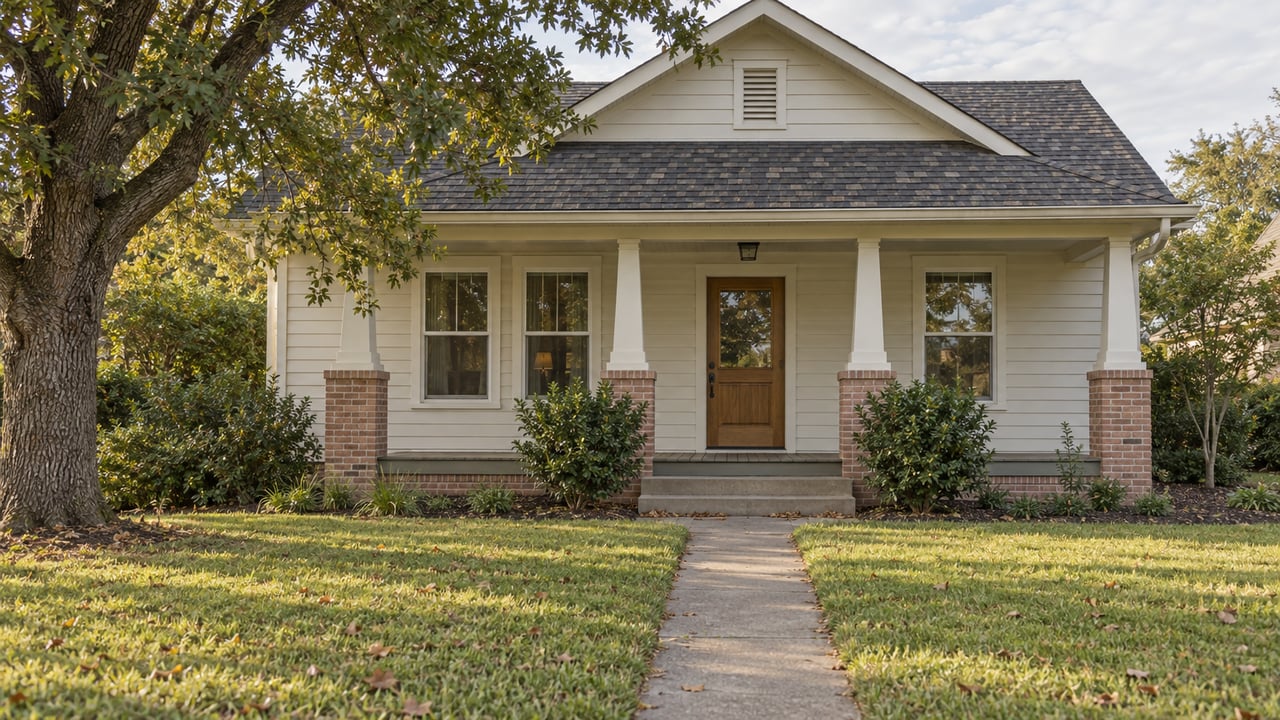
If you are exploring homes in Rusk, it helps to think about the market in two broad patterns. One is the older in-town area near the courthouse square and historic streets, where some of the city’s oldest homes and traditional blocks are found.
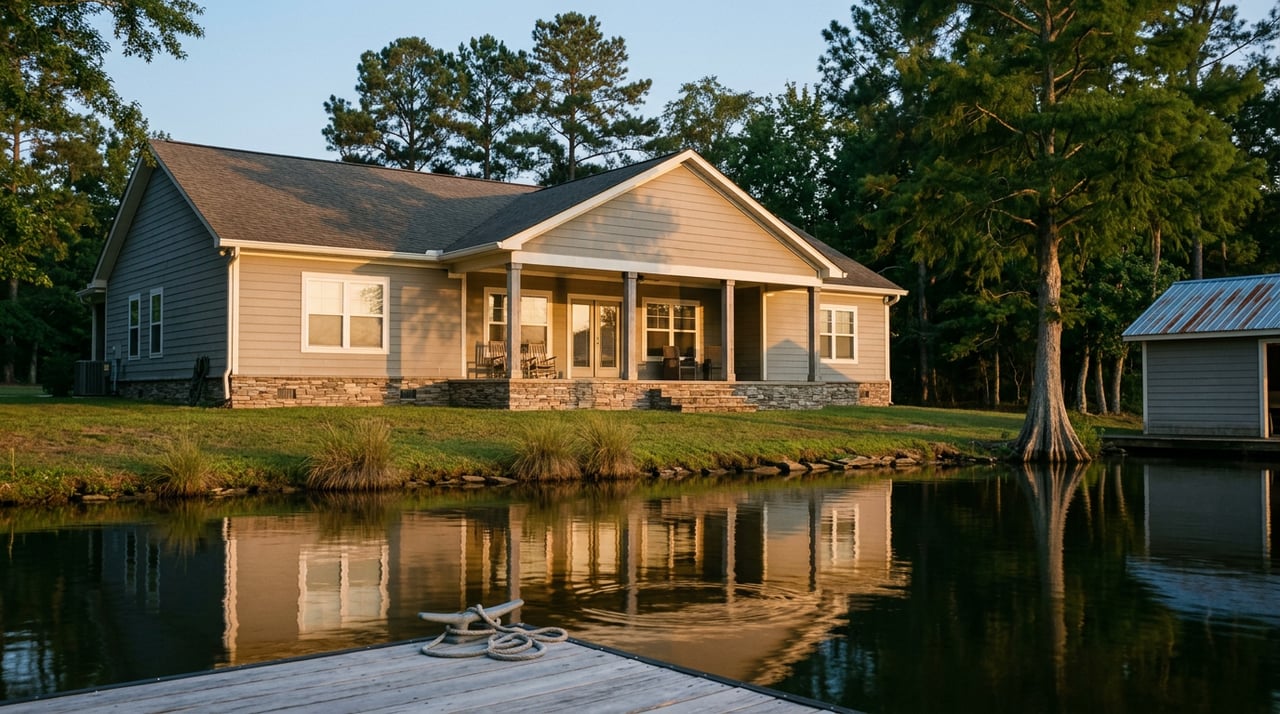
The other is the more open edge of town and nearby rural pockets. Because Rusk serves as a regional center for a surrounding agricultural, lumber, and iron-ore area, the local housing picture naturally extends beyond the historic core into properties with more space and acreage.
That gives buyers some meaningful range. You may find a home close to downtown character and local landmarks, or you may prefer a setting with more land and a quieter edge-of-town feel.
Local Services That Support Daily Life
One reason Rusk feels livable is that key services are available close to home. In addition to city departments, healthcare is a major part of the local service picture.
Rusk’s economic-development materials list UT Health East Texas Physicians Clinic Rusk, CLINE Family Medicine, the Children’s Clinic, a women’s center, home health, rehab facilities, and Rusk State Hospital. That range helps reinforce the idea that Rusk supports daily needs in a practical way.
For many buyers, that balance matters. Historic charm is appealing, but access to routine services is often what turns a nice place to visit into a place you can confidently call home.
Education Options in and Around Rusk
For households thinking about school access or long-term planning, Rusk offers local and regional options. Rusk ISD serves the city and surrounding area and reports about 1,600 students from pre-kindergarten through 12th grade.
The district identifies Rusk High School, Rusk Junior High School, Rusk Intermediate School, Rusk Elementary School, and G. W. Bradford Primary. For higher education and training, the area also includes Tyler Junior College’s Rusk site, Jacksonville College about 14 miles northwest, UT Tyler just over 30 miles away, and Stephen F. Austin State University about 35 miles southeast.
The practical takeaway is simple. K through 12 options are in town, while additional college and vocational opportunities remain regionally accessible.
Parks, Trails, and Local Culture
Rusk’s lifestyle is shaped by both outdoor space and heritage attractions. The city highlights Jim Hogg Park, a 178.4-acre park with a 1.4-mile loop trail, along with Butler Park and Birmingham Golf Club.
Cultural and historic destinations also play a visible role in everyday life. Downtown and nearby attractions include the Heritage Center of Cherokee County, Cherokee Civic Theatre, the Texas State Railroad, and the Rusk Footbridge.
The Texas State Railroad is especially tied to the town’s identity. Rusk is where the railroad began, and the Rusk Depot complex and surrounding grounds serve as a destination in their own right.
Getting Around and Staying Connected
Rusk is small, but it is not cut off. The city sits at the intersection of US 69, US 84, and State Highway 110, with I-20 a short drive north and I-45 about an hour west.
The city also notes that Rusk is 120 miles southeast of Dallas. For air access, Cherokee County Airport is 6.8 miles from downtown, and Tyler Pounds Regional Airport is 31 nautical miles away.
For daily routines, the Census Bureau reports an average commute time of 26.7 minutes for workers age 16 and older. That points to a car-oriented town with manageable regional connections across East Texas.
Who Rusk May Appeal To
Rusk can make sense for different types of buyers and sellers because it offers several lifestyles in one small market. If you value history, established neighborhoods, and a central downtown, the older parts of town may stand out.
If you want more room to spread out, the areas around town and nearby acreage properties may be a better fit. And if you are trying to balance a quieter home base with access to surrounding East Texas communities, Rusk sits in a practical middle ground.
For sellers, the town’s established feel can be part of the story. Buyers are often drawn to places that have a clear identity, stable housing patterns, and a combination of local services, outdoor spaces, and regional access.
Why Local Insight Matters in Rusk
In a market like Rusk, the details matter. The difference between a historic in-town home, an edge-of-town property, and a rural acreage listing is not just square footage. It is lifestyle, upkeep, commute patterns, and what kind of setting feels right for you.
That is where hyperlocal knowledge becomes useful. Understanding how Rusk’s historic core, road network, property types, and regional ties fit together can help you make a more confident decision whether you are buying your first home, moving within Cherokee County, or preparing to sell.
If you are thinking about buying or selling in Rusk, working with a local expert can help you sort through the options and focus on what fits your goals. When you are ready for tailored guidance, connect with Norton Property Group.
FAQs
What is everyday life like in Rusk, TX?
- Rusk combines small-town scale with practical daily services, including local government departments, healthcare providers, parks, and a historic downtown core.
What makes Rusk, TX feel historic?
- Rusk’s courthouse square, restored Victorian commercial buildings, historic homes, early 20th-century churches, and the Texas State Railroad all contribute to its historic character.
What types of homes can you find in Rusk, TX?
- Buyers may find older homes near the historic center, established residential areas in town, and more open properties or acreage around the edges of town.
How affordable is housing in Rusk, TX?
- Census data report a median owner-occupied home value of $157,400 and a median gross rent of $643, which suggests modest price points compared with larger Texas metros.
What parks and attractions are in Rusk, TX?
- Rusk includes Jim Hogg Park, Butler Park, Birmingham Golf Club, the Heritage Center of Cherokee County, Cherokee Civic Theatre, the Texas State Railroad, and the Rusk Footbridge.
How connected is Rusk, TX to other East Texas areas?
- Rusk sits at the intersection of US 69, US 84, and State Highway 110, with regional college options and highway access that support travel across East Texas.