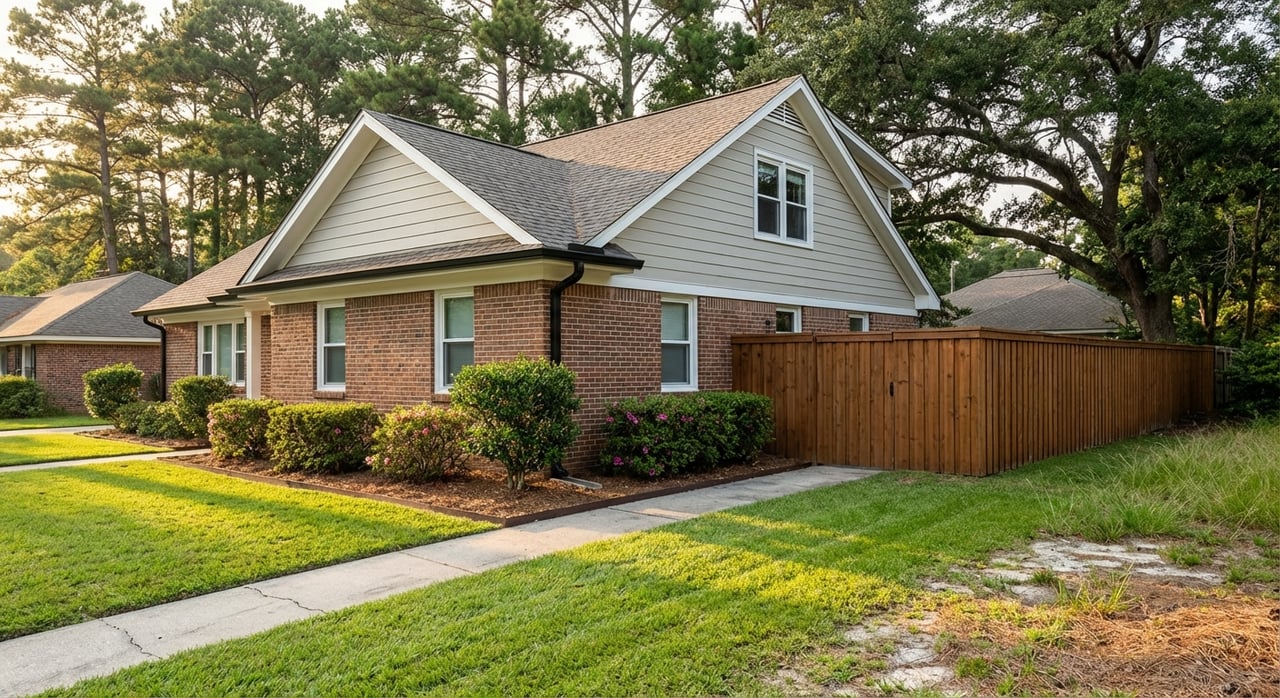
Wondering why two Jacksonville homes with the same square footage can feel so different in price and upkeep? Lot size is a big reason. It shapes what you pay now, what you maintain later, and how easy it is to add improvements. If you understand how Jacksonville lot sizes work, you can target the right properties faster and avoid costly surprises. Let’s dive in.
Lot sizes you will see
In‑town platted lots
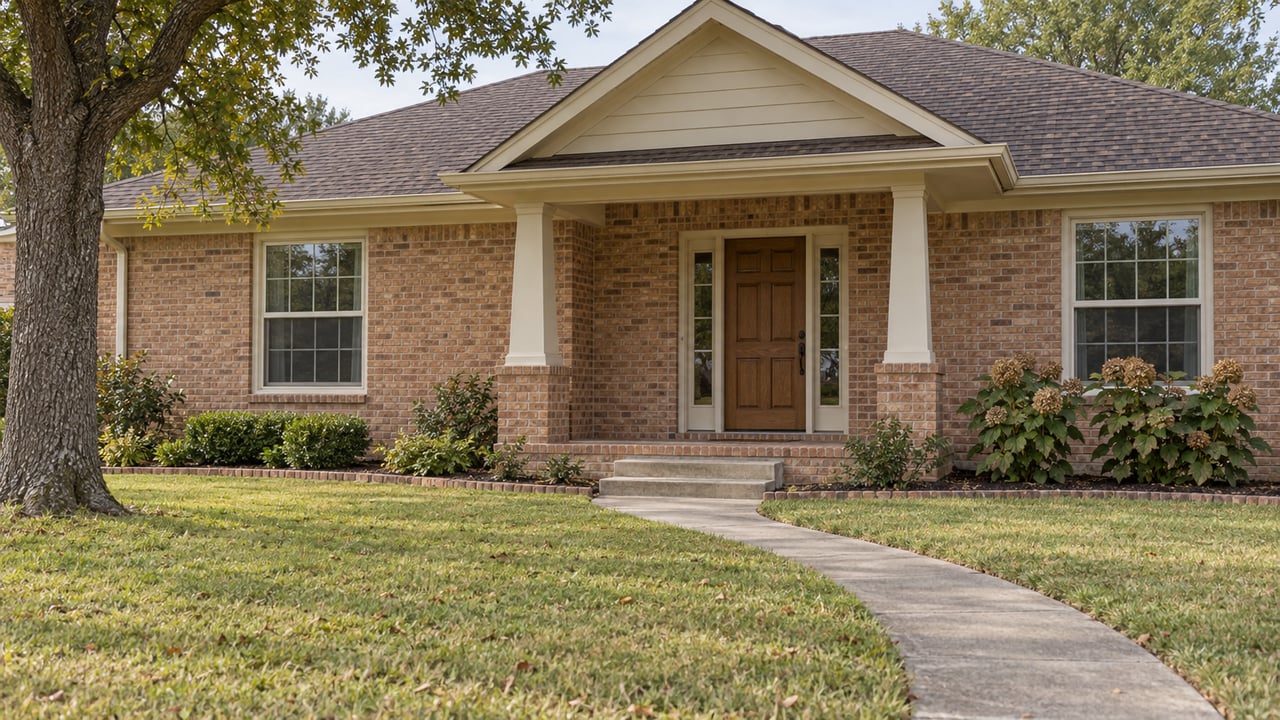
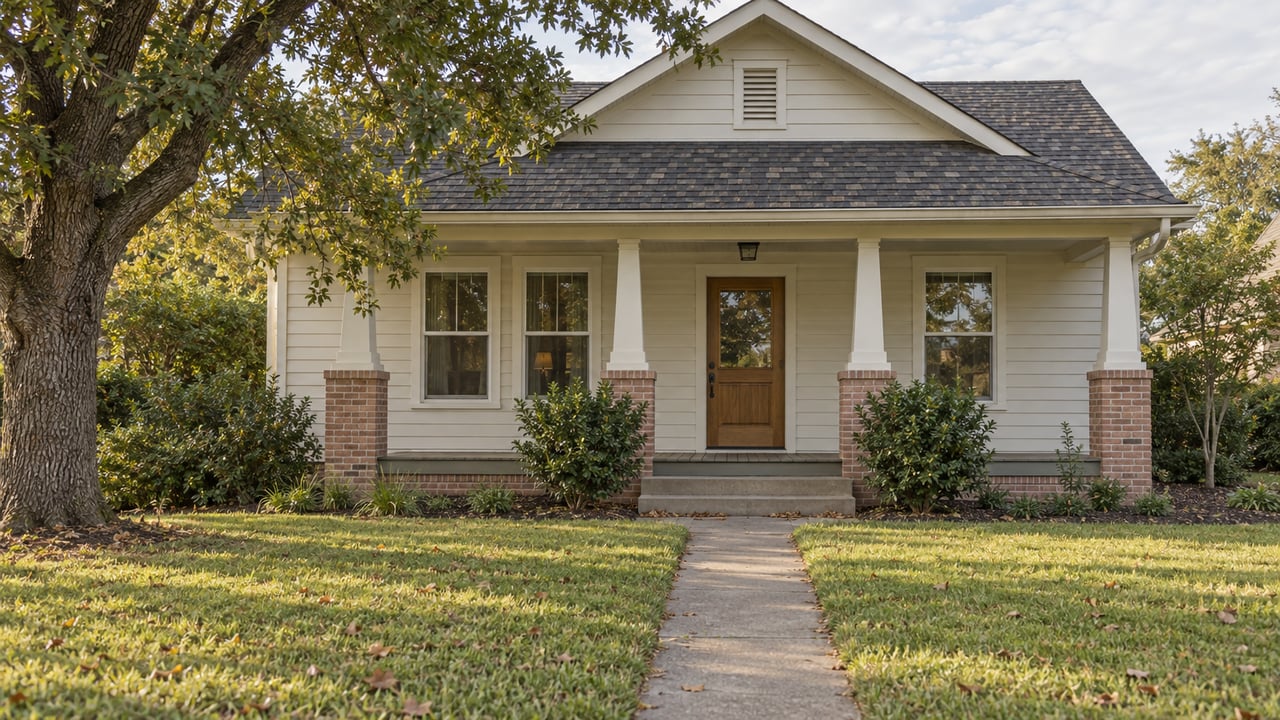
Inside Jacksonville city limits, you will often see single‑family lots around 5,000 to 8,500 square feet. These are typical subdivision or infill parcels. They usually connect to city water and sewer, which lowers upfront utility setup costs. You also follow standard city permitting and setback rules when you remodel or build.
These lots are popular if you want less yard work, quicker commutes, and straightforward utility service. If you plan to add a workshop or accessory structure, you will need to confirm setbacks and lot coverage with the city before you buy.
Lake and small‑acreage lots
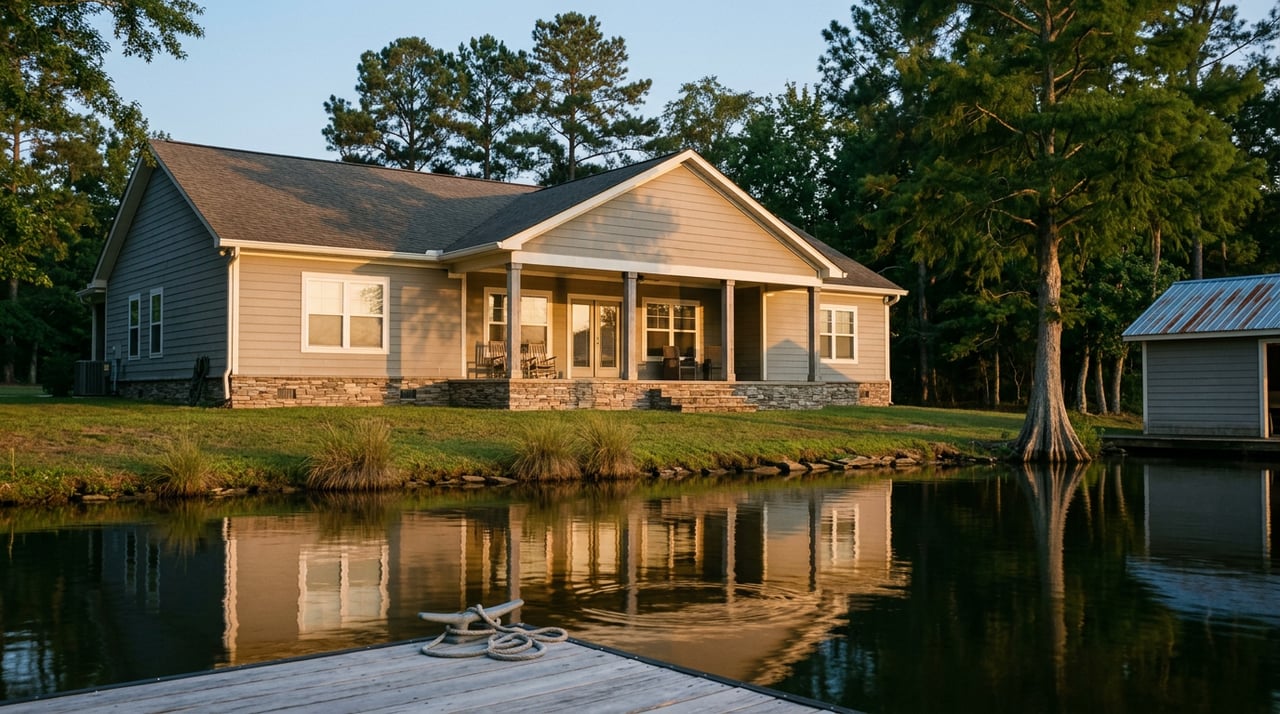
Around Lake Jacksonville and similar neighborhoods, many lots run about half an acre to 2 acres. Utilities can vary by street. Some have municipal water or sewer, while others need a private well or an aerobic septic system. Internet and gas access can also change within the same subdivision.
These lots give you more elbow room without the upkeep of a large tract. If outdoor living is on your wish list, this size can be a sweet spot for patios, pools, and a modest shop, subject to deed restrictions and permits.
Rural acreage parcels
In unincorporated Cherokee County, you will find 1 to 100 plus acre tracts. These are often labeled unrestricted or agricultural. Most rely on a well and an on‑site sewage facility, and electric service may require a line extension. Driveway, fencing, and pasture maintenance become part of your budget.
Acreage offers privacy and long‑term flexibility, but it comes with more planning. Wells, septic systems, and access easements must be confirmed early, especially if you plan to build soon after closing.
How location changes rules and costs
City vs county rules
Inside Jacksonville city limits, zoning, setbacks, and building permits run through the city. Start with the City of Jacksonville Planning and Zoning page to confirm what you can build and how. In unincorporated areas, Cherokee County handles county‑level items like road access and some approvals, but county zoning works differently than city zoning. Check with Cherokee County offices to understand subdivision rules, plats, and easements before you assume city‑style zoning applies.
Water, sewer, wells, and septic
City lots usually tie into municipal water and sewer, which simplifies setup and sometimes lending. You can confirm service or start an account through the city’s utilities portal. Rural and many lakeside parcels rely on a well and a septic system. In Texas, most new or replacement septic systems need a site evaluation and a permitted on‑site sewage facility. Review TCEQ’s OSSF permitting guidance so you know what paperwork to request from a seller.
Septic ownership includes routine maintenance and occasional pump‑outs. Drainfield locations can limit where you place a pool or outbuilding, so get the system map and capacity details before you finalize plans.
Electric, gas, and internet
Electric service in the Jacksonville area is commonly delivered by major regional providers. Some rural tracts need a new meter, a line extension, or recorded easements. Natural gas, cable, and fiber can change from one road to the next. Ask for service maps and written confirmation of availability when you write an offer, especially if high‑speed internet is a must.
Flood risk and drainage
Flood insurance is driven by a property’s location within FEMA flood zones. Look up any address at the FEMA Flood Map Service Center. If a lot sits near a creek, low area, or the lake, plan for possible elevation work, engineered drainage, and insurance in your monthly budget.
Deed restrictions and HOAs
Many platted subdivisions include recorded covenants that address setbacks, outbuildings, animals, and exterior standards. Even some rural parcels carry restrictions. Pull the parcel history and look for restrictions through the Cherokee Central Appraisal District parcel search. Confirm rules in writing before you spend on plans or deposits.
Financing and resale impact
USDA and other loans
If you are considering zero‑down options, check whether the property’s address is eligible on the USDA property‑eligibility map. Many homes just outside city limits qualify, while in‑city addresses often do not. Conventional, FHA, and VA financing can work for both city lots and rural parcels, but your lender will look for residential use rather than agricultural or commercial activity.
Appraisal and marketability
Appraisers compare your property to recent local sales with similar lot types. An oversized lot in a small‑lot neighborhood might not add dollar value proportionally. Learn more about how appraisers weigh lot size against local norms so you can price and negotiate with realistic expectations.
From a resale standpoint, in‑town parcels typically appeal to a wide buyer pool seeking convenience and municipal services. Acreage reaches buyers who prioritize privacy and room for hobbies. Larger tracts may take longer to sell and require more buyer education on wells, septic, and maintenance.
Planning to subdivide later
Thinking about future splits or a family compound? Confirm minimum lot sizes and platting rules through Cherokee County offices, and review the current legal description and tax status via the Cherokee Central Appraisal District parcel search. Some exemptions, easements, or deed restrictions can limit your options.
Build your search plan
Use this simple workflow to zero in on the right lot size and avoid surprises:
Confirm city vs county. Look up the address and check the City of Jacksonville Planning and Zoning page if it appears inside city limits. Call Cherokee County offices for unincorporated properties.
Pull parcel and tax records. Use the Cherokee Central Appraisal District parcel search to confirm acreage, legal description, and any notes about restrictions.
Verify utilities. For city lots, confirm service at the utilities portal. For rural parcels, ask for well details and the septic permit. If there is no permit, plan for a site evaluation.
Check flood risk. Search the FEMA Flood Map Service Center for the property address and add any required insurance to your monthly estimate.
Review septic requirements. Read TCEQ’s OSSF permitting guidance and request maintenance records or installer contacts from the seller.
Confirm access and easements. Verify road frontage, recorded easements, and who maintains private roads with Cherokee County offices.
Pre‑check financing. If USDA is a goal, test the address on the USDA property‑eligibility map and speak with your lender about income rules. For large tracts, ask how many acres the lender will include in value.
Three surprises to avoid
- Septic and well timelines. Designing and permitting a septic system takes time and a site evaluation. Drilling a well also has scheduling and cost variables. Build these steps into your closing timeline.
- Private roads and easements. Many rural parcels share access. Maintenance responsibilities and gate codes should be documented. Confirm recorded easements before you close.
- Appraisals for oversized lots. A much larger lot in a small‑lot neighborhood may not appraise as high as you expect. Appraisers look at what typical buyers in that area will actually pay for extra land.
What lot size fits you
If you want low maintenance and easier utility setup, an in‑town lot may be your best fit. You will mow less, pay for fewer fences, and work within clear city rules. This size pairs well with busy schedules and quick projects like patios and light landscaping.
If you want space for outdoor living without the commitment of a ranch, target half‑acre to 2‑acre lots. You can spread out, add a pool or workshop if allowed, and still keep weekend chores manageable. Double‑check water, sewer, and internet before you fall in love.
If privacy and long‑term flexibility are top priorities, consider acreage. Plan for well and septic decisions up front, add line‑extension questions to your utility checklist, and set aside a budget for driveways, gates, and fencing. This path takes more planning but can deliver the lifestyle you want.
Ready to compare properties?
Lot size shapes everything from your first month’s budget to your resale story. If you want a clear plan tailored to your goals, reach out to Norton Property Group. You will get a local search strategy, quick due diligence on each lot, and hands‑on guidance from offer to close.
FAQs
How does lot size affect my budget in Jacksonville?
- Bigger lots usually mean higher upfront and ongoing costs for fencing, grading, driveways, wells, and septic. Smaller city lots typically reduce those items but can have HOA or city permit considerations.
Who approves building permits near Jacksonville?
- Inside city limits, Jacksonville’s planning and building departments handle permits and zoning. In unincorporated areas, check with Cherokee County for subdivision and access requirements.
How can I check floodplain for a specific lot?
- Search the address on FEMA’s flood maps, then confirm details during the option period with a surveyor or flood‑plain determination. Add any required insurance to your monthly budget.
Is USDA financing available near Jacksonville?
- Often just outside city limits, yes. Eligibility is address‑specific and also depends on income limits, so check the map and speak with a participating lender early.
Do larger lots always appraise higher?
- Not always. Appraisers compare your home to nearby sales and weigh what typical buyers will pay for extra land. Oversized lots in small‑lot neighborhoods may not add value dollar for dollar.