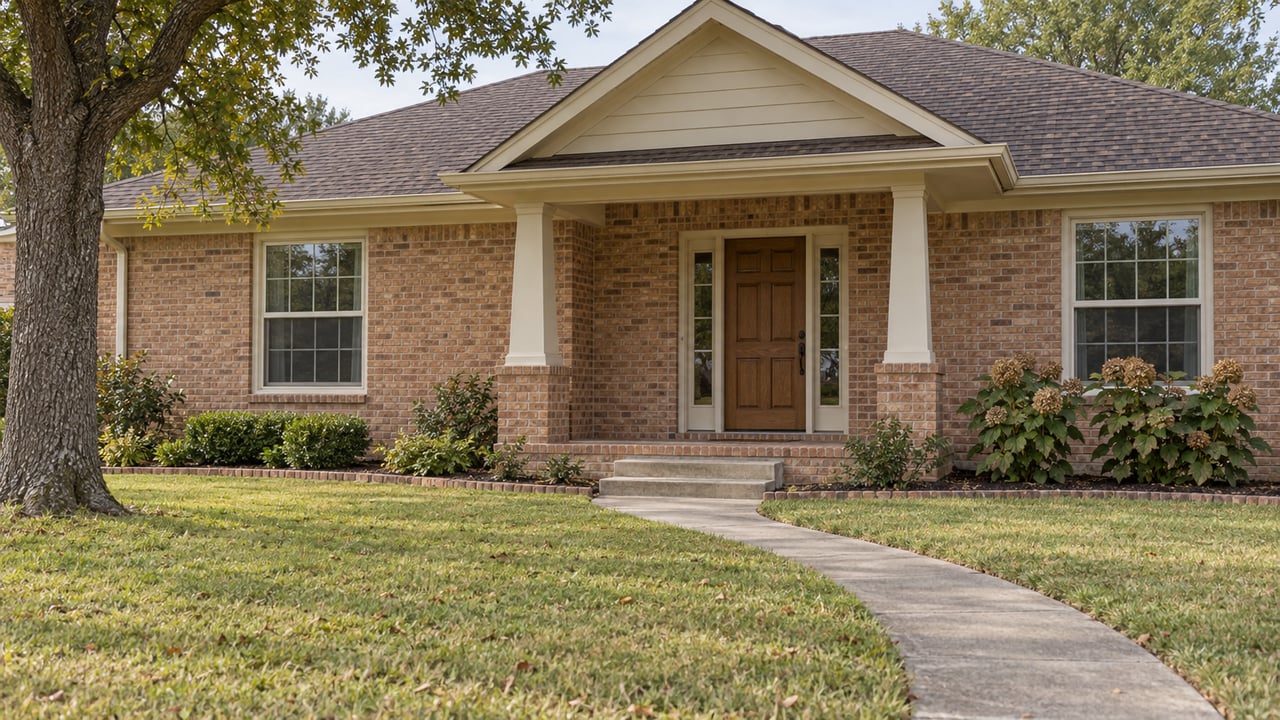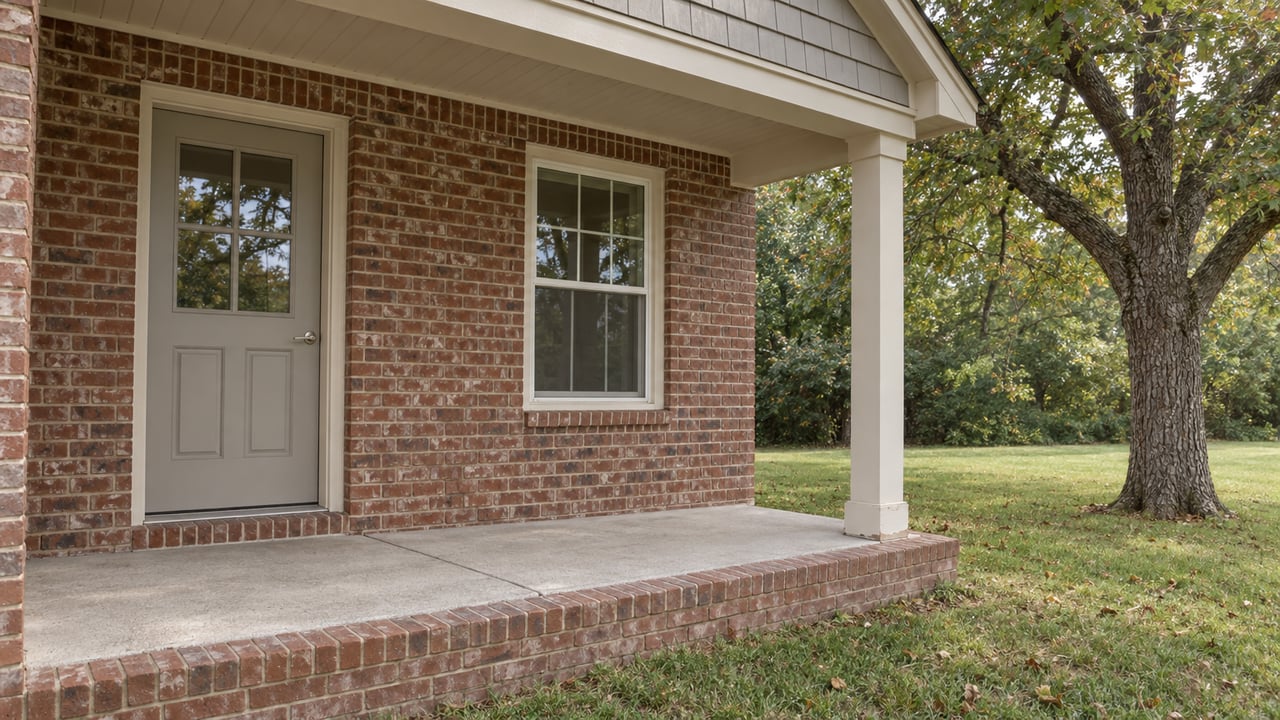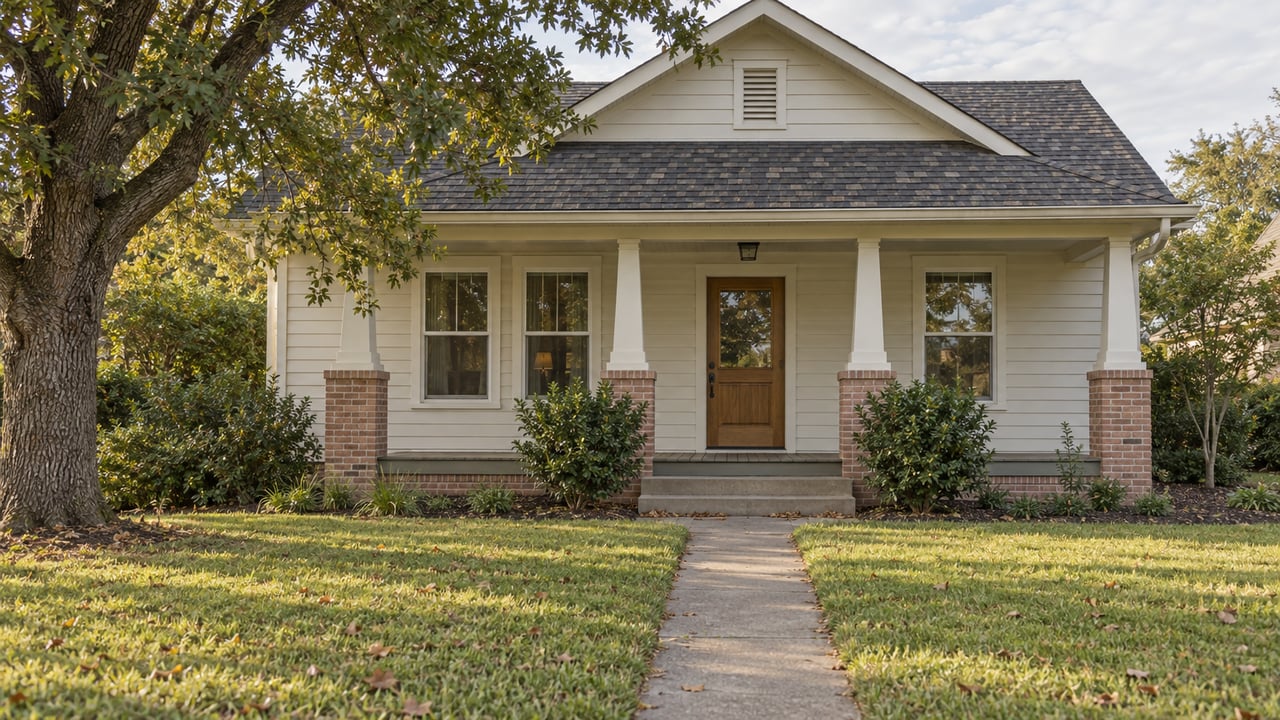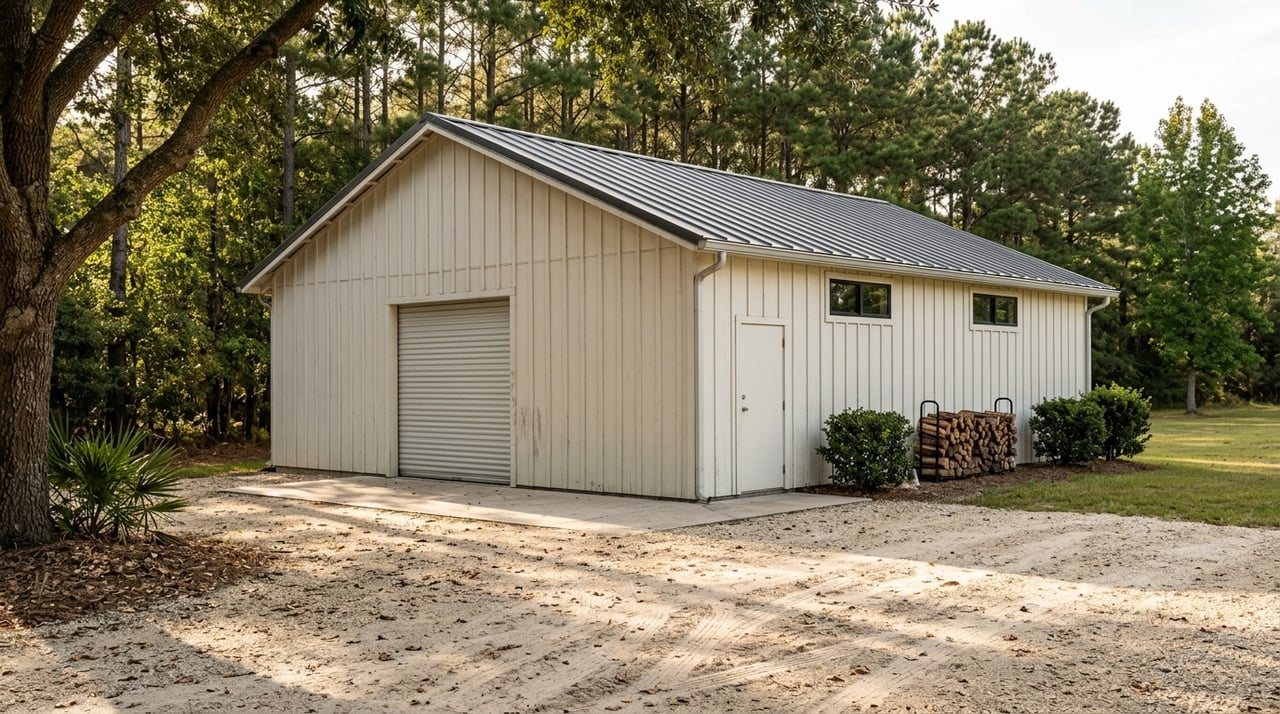
If you are selling a Lufkin home with land, a barn, a shop, or other outbuildings, you are not selling a typical house. Buyers look at these properties as a full package that includes the home, the land, the access, the utilities, and the structures that support how the property can be used. When you understand what buyers care about most in Lufkin and Angelina County, you can prepare better, price smarter, and avoid surprises during the sale. Let’s dive in.
Why these Lufkin properties need a different approach
A home with acreage or outbuildings is often valued differently than a standard neighborhood resale. Texas property tax guidance notes that market value depends in part on the uses a property is adapted to and on enforceable restrictions on use. It also recognizes that unique properties can be harder to value when there are limited comparable sales.
That matters in Lufkin because buyers are usually not just comparing square footage and finishes. They are also asking how much of the land is usable, how the property is accessed, whether there are easements, and what the outbuildings can legally and practically support. In other words, the house is only one part of the value story.
What buyers notice first
For many buyers, the first big questions are practical. They want to know whether the property has public utilities or relies on a private well and septic system, how easy it is to access the land, and whether barns, shops, or sheds are functional and compliant.
They also pay close attention to condition. Overgrown drives, blocked access, cluttered barns, or unclear property boundaries can make buyers feel like they are inheriting problems instead of opportunity. Clean presentation helps buyers see the property as usable from day one.
Prepare the documents before you list
The best way to build confidence is to have your paperwork ready early. With rural or semi-rural property, buyers and lenders often want more details than they would for a house on a standard city lot.
Try to gather documents that show what exists on the property, where it sits, and how it can be used. A strong file often includes:
- Survey or plat
- Deed information
- Easements or access documents
- Utility information
- Septic records
- Private well reports and water-test results
- Agricultural appraisal paperwork, if applicable
- A clear list of what stays with the property
If your property has a private road or shared driveway, this step is especially important. Texas seller disclosure rules require notice when buyers may have financial responsibility for maintaining a private road on or adjoining the property.
Address tax and special appraisal questions early
In Angelina County, property is appraised as of January 1, and the appraisal district handles exemptions and special appraisal. If your land qualifies for agricultural, timber, or wildlife-management special appraisal, buyers will likely ask whether that status can continue after the sale.
This is a major issue because qualifying land may be taxed on productivity value instead of market value. If the use changes, rollback tax can apply. You do not need to promise a buyer what their future tax treatment will be, but you should be ready to explain the current status of the property and provide any supporting paperwork you have.
Check access, easements, and land use details
Access can have a direct effect on value. Texas A&M rural land guidance highlights access, easements, conservation restrictions, leases, and other property rights as issues that can materially affect what buyers are willing to pay.
Before you list, confirm how the property is reached and whether there are any recorded agreements tied to that access. If there are easements, shared drives, leased areas, or land-use restrictions, it is better to disclose and explain them clearly than to let buyers discover them late in the process.
Review outbuildings inside Lufkin city limits
If your property is inside Lufkin city limits, local rules matter. The city ordinance says accessory buildings must be on the same lot as the principal use, and in residential districts they may not have separate utilities or be used for commercial purposes.
That means a shop, shed, or detached building may raise questions beyond simple appearance. Buyers may ask whether the building was permitted, whether it is in the right location, and whether they can use it the way they intend. If additions, pads, driveways, or drainage work were completed on the property, permit history may also matter.
Pay close attention to septic systems
On many Lufkin-area properties, septic is a key part of the buyer conversation. The Texas Commission on Environmental Quality says a permit and approved plan are required to construct, alter, repair, extend, or operate an on-site sewage facility.
It also states that owners should not build over an OSSF with barns, storage buildings, driveways, sidewalks, or patios. If your property has outbuildings or site work near the septic system, it is smart to review records before listing. Mortgage companies may also require an OSSF evaluation before closing.
Be ready with private well information
If your home uses a private well, buyers will want details. They commonly ask where the well is located, how many wells are on the property, whether there are maintenance records, and whether there are any plugged or capped wells on site.
Texas groundwater guidance says private-well water quality is not regulated by the state and that owners and users are responsible for testing. It also recommends annual testing and advises buyers to ask for the well report and maintenance or water-quality records. If you have those records ready, you make the property easier to evaluate.
Clean up the land and structures
Presentation matters, but with land and outbuildings, the goal is function as much as beauty. Buyers want to walk the property and quickly understand how it works.
Focus on practical improvements such as:
- Clearing access drives and gates
- Mowing and trimming heavy overgrowth
- Removing debris from barns, shops, and sheds
- Testing lights, doors, and basic building function
- Making it easy and safe to inspect every structure
This kind of prep helps buyers picture the property as usable now, not just someday. It also supports better photos, better showings, and fewer objections.
Price the whole property package
One of the biggest mistakes sellers make is pricing the house and treating the rest of the property like a bonus. In Lufkin, that approach can miss how buyers actually evaluate acreage properties.
A better strategy is to present and price the home, land, access, utilities, and outbuildings as one system. Measurable facts help here. Buyers respond well to clear details like total acreage, open versus wooded ground, fencing, gate access, dimensions of a shop or barn, utility setup, storage features, and whether the property has any special appraisal or use restrictions.
Market with facts, not vague claims
When you sell a property with land or outbuildings, accurate detail builds trust. The strongest marketing usually leads with facts that buyers can verify rather than broad descriptions that leave room for confusion.
That means your listing should clearly explain:
- Acreage and layout
- Access points and road type
- Utility setup, including well or septic if applicable
- Outbuilding size and purpose
- Fencing, gates, or cleared areas
- Restrictions, easements, or special appraisal status
This kind of information helps attract more qualified buyers. It also reduces the chance that a showing turns into a mismatch because key details were unclear from the start.
Use disclosure to prevent delays
Texas law requires a written seller’s disclosure notice for most residential sales involving no more than one dwelling unit. The notice is not a substitute for inspections or warranties, but it is a critical tool for setting expectations.
Current Texas disclosure requirements can touch on issues that matter a lot for Lufkin properties with land. These include whether the property is presently insured, whether there has been trouble getting insurance, whether a private road could be the buyer’s maintenance responsibility, whether there are certain aboveground storage tanks, and whether the property is in a conservation easement. Clear, complete disclosure can save time and protect your transaction from preventable problems.
Why local guidance matters
Selling this type of property takes more coordination than selling a standard suburban home. Questions about tax treatment, outbuilding use, permit history, access, wells, and septic can all shape the buyer’s comfort level and final offer.
That is why local experience matters. When your agent knows how to position acreage, outbuildings, and utility setups in the Lufkin market, you can present the property more clearly, answer questions faster, and move toward closing with fewer surprises.
If you are preparing to sell a Lufkin home with land or outbuildings, Norton Property Group can help you build a smart plan, highlight the right details, and market the full value of your property with clear, hands-on guidance.
FAQs
What makes selling a Lufkin home with land different?
- A Lufkin property with land or outbuildings is usually evaluated as a full property package, not just a house. Buyers often look closely at access, easements, utilities, septic or well setup, land use, and the condition and legality of outbuildings.
What documents should you gather before listing a Lufkin acreage property?
- Helpful documents include a survey or plat, deed information, easements, utility details, septic records, private well reports, water-test results, agricultural appraisal paperwork, and a clear list of what is included in the sale.
What should you disclose about a private road on a Lufkin property?
- Texas seller disclosure rules require notice if there is a private road on or adjoining the property that a buyer may be financially responsible for maintaining.
What should buyers know about agricultural appraisal in Angelina County?
- Land that qualifies for agricultural, timber, or wildlife-management special appraisal may be taxed on productivity value rather than market value, and a change in use can trigger rollback tax.
What matters about septic systems when selling a Lufkin-area home?
- Septic records, permit history, and system condition matter because buyers and lenders may ask for them. Texas guidance also says owners should not build over an on-site sewage facility with structures or hard surfaces such as driveways or patios.
What private well details help sell a Lufkin property?
- Buyers usually want the well location, number of wells, maintenance records, water-quality test results, and information about any plugged or capped wells on site.
What rules apply to outbuildings inside Lufkin city limits?
- In Lufkin residential districts, accessory buildings must be on the same lot as the main use, may not have separate utilities, and may not be used for commercial purposes.
How should you market a Lufkin home with a barn or workshop?
- The best approach is to lead with measurable facts such as acreage, usable land, fencing, access, shop or barn dimensions, utility setup, and any restrictions or special appraisal status.