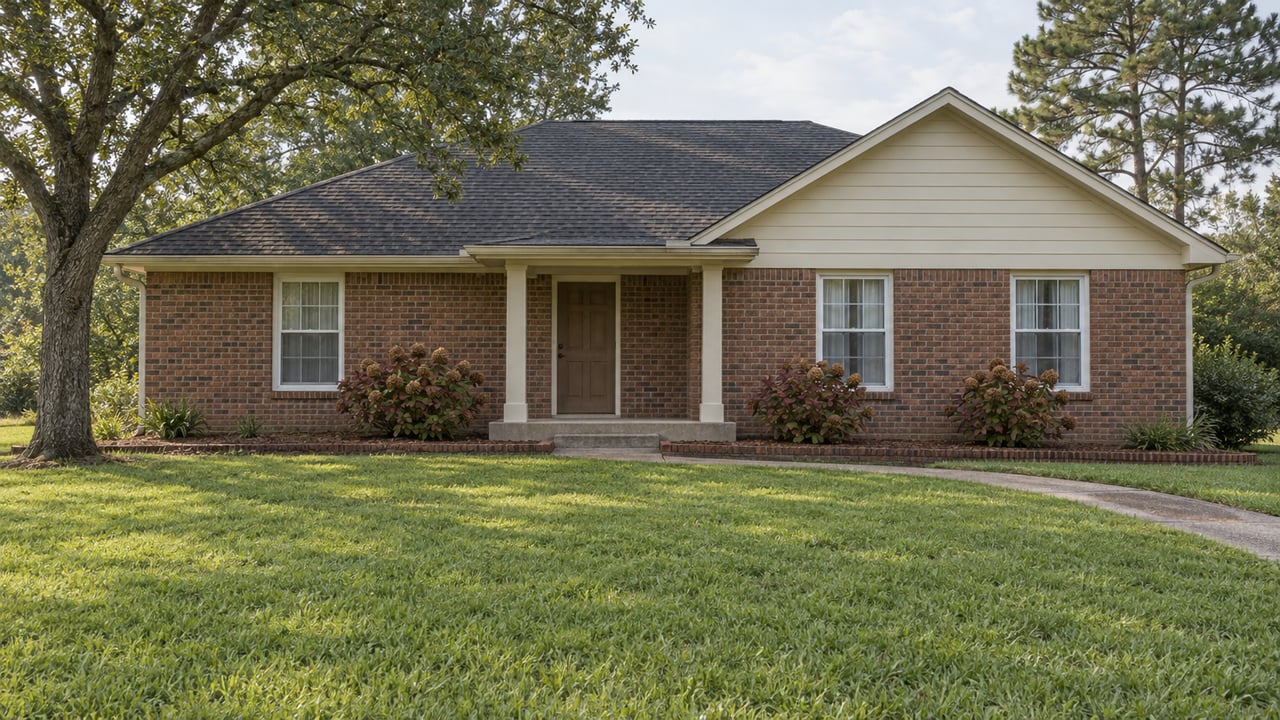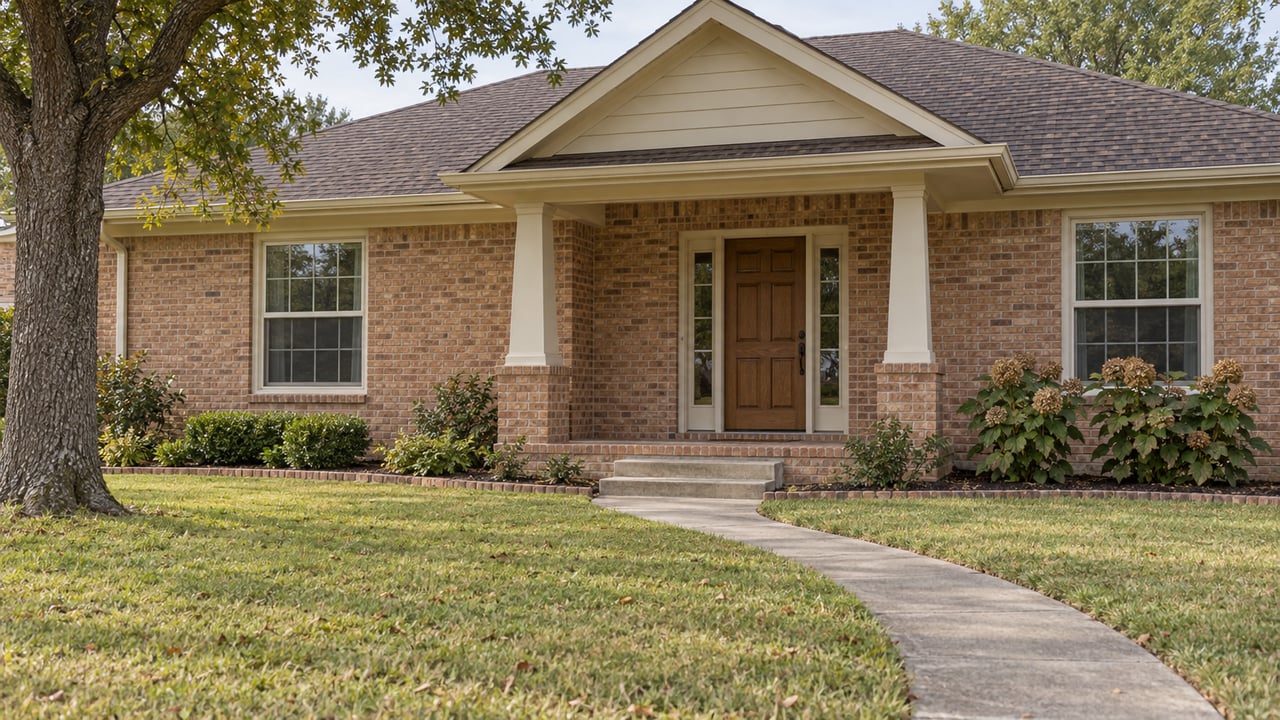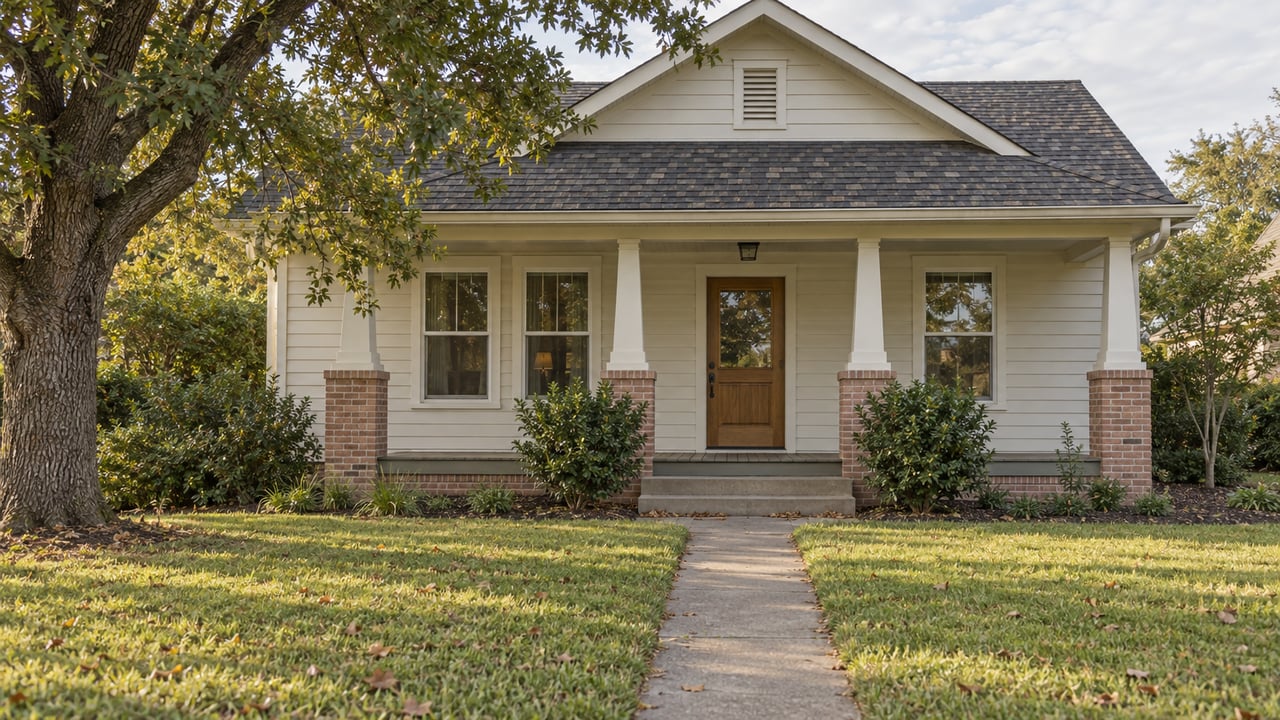
Open five tabs and search the same address in each one. Zillow puts Tyler's average home value at $257,708 as of late June 2026. Redfin's own page, in a snapshot reflecting July 2026 sales, lists an average sale price of $231,000 and a median sale price of $325,000 in the same breath. Houzeo reports a $325,000 median tied to March 2026 activity. Orchard says the median home sold for $448,500 over the 30 days ending in late April 2026. Movoto, using live August 2026 listings, puts the median at $353,000.
The spread between the lowest and highest of those numbers is more than $217,000, nearly double from bottom to top, for the same city in the same calendar year. That gap isn't a data error and it isn't proof the market is chaotic. It exists because Texas legally keeps home sale prices out of public view, and every site on that list is estimating a number none of them can actually see.
The Numbers, Side by Side
| Source | Snapshot | Reported figure | What it actually measures |
|---|---|---|---|
| Zillow | Late June 2026 | $257,708 | Modeled average home value |
| Redfin | July 2026 | $231,000 average / $325,000 median | Two different definitions of "typical," same month |
| Houzeo | March 2026 | $325,000 | Median, list-and-model derived |
| Orchard | 30 days ending April 2026 | $448,500 | Median of homes reported sold |
| Movoto | August 2026 | $353,000 | Median asking price of active listings |
These aren't obscure corners of the internet. They're five of the most visited home-value sites on the market, each publishing a live 2026 number for the same city, each offering a different snapshot. Even when two sites show the same dollar figure, as Redfin and Houzeo do here, they may be describing different months or measuring different things. Redfin's own listing makes the point without meaning to: scroll partway down its Tyler page and the average sits at $231,000, scroll further and the median for that same month reads $325,000. A reader who doesn't know which word to trust just watched the "typical" price of a Tyler home swing by $94,000 on a single page.
The Real Reason the Numbers Split
Texas is one of roughly a dozen states where a home's closing price never becomes part of the public record. That's a legal structure, not an oversight. Under Texas Tax Code §22.27 and Government Code §552.149, the sale price of a residential property is treated as confidential once the deal closes. The deed that gets filed with the county shows that a property changed hands. It does not show what anyone paid for it.
In Texas, the buyer, the seller, their agents, and their lender know the real number, and a licensed agent can confirm it through the Multiple Listing Service. The biggest valuation sites in the country are left building an estimate out of public listing data, whatever gets voluntarily shared, and a statistical model filling in the rest.
That arrangement stays in place because it's actively preferred, not accidentally missing. Texas's real estate industry has historically pushed back against any requirement to make closing prices public. The practical effect for a buyer is that the number on any given site is a guess dressed up as a fact, and different guessing methods produce different guesses.
Even the Vocabulary Works Against You
The legal gap is the foundation, but the way each site labels its number stacks a second layer of confusion on top. Movoto's August 2026 figure describes what sellers are currently asking, not what anyone has paid. Orchard's figure describes homes that already closed, weeks or months earlier. Redfin publishes both an average and a median for the identical window and lets the reader sort out which one means what. Houzeo's number blends listing activity with a model correction. Two headlines that both say "Tyler's median home price" in 2026 can be describing entirely different pools of transactions measured over entirely different stretches of time.
What the Averages Hide: Tyler's Actual Price Bands
If the citywide number is this unstable, the more useful question isn't "what's Tyler's median." It's "what does this specific part of Tyler actually run." Broken out by area, the picture holds together far better than any single citywide figure does:
- Under $275,000 — Starter inventory in Southside Tyler and neighborhoods just outside Loop 323, typically three-bedroom, two-bath homes in the 1,400 to 1,800 square foot range.
- $275,000 to $450,000 — The broadest band in the market, covering newer construction in Bullard and Whitehouse, updated homes inside Tyler ISD boundaries, and larger lots stretching toward Lindale.
- $400,000 and up — Hollytree, built around Hollytree Country Club's golf course, where home values typically run $400,000 to $700,000, and The Cascades along Old Jacksonville Highway, where Movoto's own August 2026 data put the median list price at $599,000.
These bands are where the real signal lives, and they explain why a citywide median means so little on its own. A month with a heavy mix of Southside starter sales and a month with a heavy mix of Hollytree closings will produce two very different "typical Tyler prices" without a single home actually changing in value.
In August 2026, Cascades Estates carried a reported median list price of $599,000, according to Movoto, a 24 percent drop from the prior month and 23 percent below the same month a year earlier. Homes there sat on the market a median of 128 days that same month, well past Tyler's citywide figure of 85 days. A gated golf community doesn't lose a quarter of its value in thirty days. What moved was the sample size: a handful of closings in a low-volume neighborhood can swing a reported median far more than the underlying homes actually moved in worth.
That's the same mechanism driving the citywide confusion, just visible at street level. Fewer total transactions in a gated or higher-end pocket means each individual sale carries outsized statistical weight, so a month with two expensive closings and a month with two modest ones can look like a neighborhood in freefall or a neighborhood on fire, when neither is actually true.
What This Means If You're Comparing Numbers
If you're weighing Tyler against another town, or weighing one Tyler neighborhood against another, the headline median from any single site is a starting orientation, not something to negotiate against. A few things follow from that:
Don't anchor a comparison to one portal's number without checking whether it's measuring list price or sold price, since mixing the two makes two markets look further apart than they are. Ask for trailing sold comps pulled from the MLS for the specific pocket you're considering, not the citywide blend. And treat any single-month figure for a lower-volume neighborhood, gated or otherwise, with real skepticism until you've seen it against a longer trailing window.
The One Version of This Number Worth Trusting
The gap between what the portals show and what a home actually sold for closes the moment a licensed agent pulls the real record. MLS access is the one channel in Texas that sees confirmed closing prices rather than modeled estimates, which is exactly why a local market analysis grounded in actual Smith County closings tells you something no aggregator site can.
Common Questions
Why does Texas keep home sale prices private? The state's real estate industry has historically opposed mandates that would put that figure into the public deed record.
Can I look up what a specific house sold for in Tyler? Not through the county deed record. According to Ballard Property Tax Protest, Texas deeds show that a transfer happened, not the price paid. A licensed agent with MLS access, or a professional appraiser, can confirm the actual closed figure.
Does this affect my property tax appraisal too? It can. The local appraisal district faces the same information gap the portals do and leans on comparable listings and voluntary data rather than confirmed sale prices. That's a separate process from buying or selling a home, but it traces back to the same root cause.
If you're trying to make sense of what Tyler actually costs, block by block, the fastest way past the noise is a conversation grounded in real MLS closings rather than another modeled estimate. Norton Property Group works Smith County's neighborhoods every day, from Southside starter stock to Hollytree's golf course lots, and can walk you through what your specific price range actually buys right now. Reach out for a free home valuation and get a number built on closings, not guesses.
This article is general information, not legal, tax or financial advice. Consult a qualified professional about your situation.