Trying to decide between a place with elbow room and a home in a neighborhood with easier upkeep? In Cherokee County, that choice is not just about square footage. It is about how you want to live day to day, what kind of property work you are comfortable with, and how utilities, access, taxes, and resale may affect your plans. If you are weighing acreage against subdivision living in Cherokee County, this guide will help you sort through the tradeoffs with a local lens. Let’s dive in.
Why this choice matters in Cherokee County
Cherokee County offers both rural land and more traditional in-town housing, so there is no single “right” fit for every buyer. The county covers 1,052.91 square miles, with 50,412 residents counted in 2020 and an estimated 53,223 in 2024. That wide footprint helps explain why living experiences can vary a lot from one property to the next.
You can also see that variety in the local housing mix. Cherokee County appraisal data includes meaningful value in single-family homes under 5 acres, single-family homes over 5 acres, and qualified open-space land. In other words, both acreage properties and subdivision homes have a real place in the local market.
Acreage living in Cherokee County
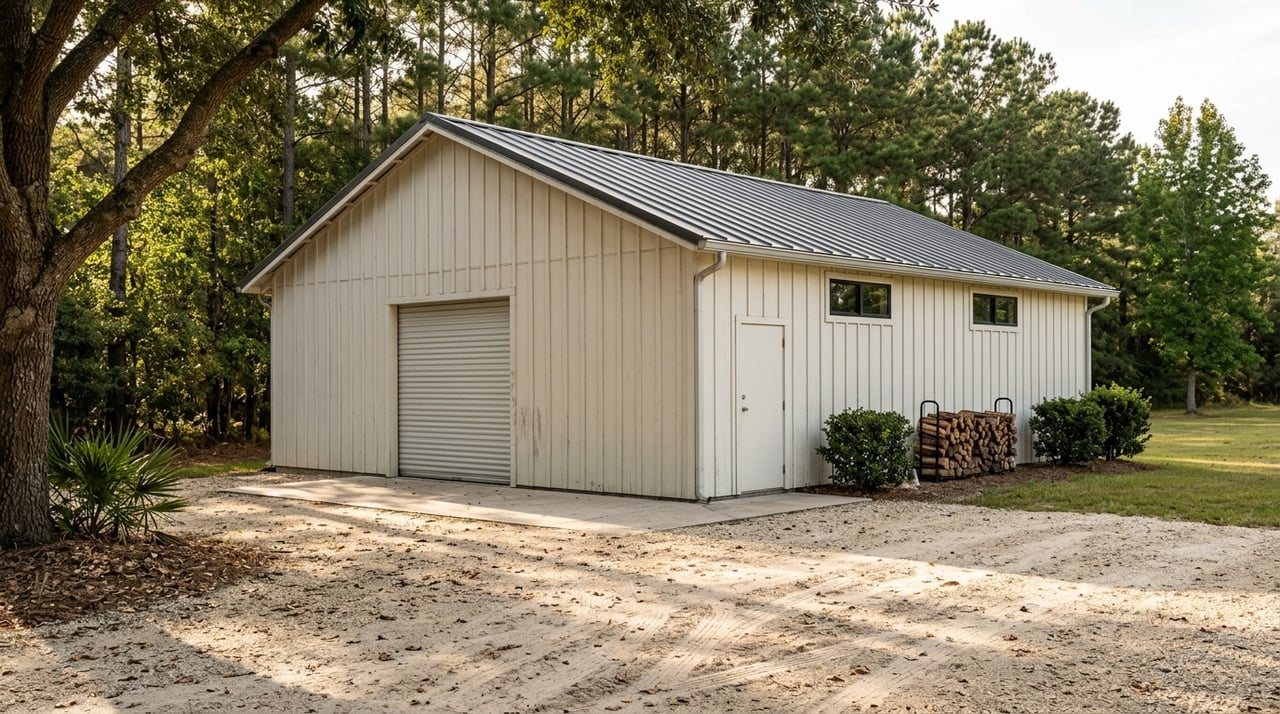
If you want more privacy, room for animals, space for a shop, or flexibility for outdoor use, acreage may be the better fit. Many buyers are drawn to rural property because it gives them more control over how they use the land. That can be a big advantage if your lifestyle needs more than a standard lot can offer.
At the same time, acreage usually comes with more hands-on ownership. You may need to think about mowing, fencing, driveway upkeep, drainage, and how easy it is to get in and out of the property in all conditions. In Cherokee County, access can vary because local appraisal classifications distinguish between paved county road or FM access, dirt road access, and landlocked parcels.
That difference matters more than many buyers expect. Two properties with the same number of acres can function very differently if one has paved access and the other does not. Daily convenience, financing, and future resale interest can all be affected by that practical detail.
Utilities can be more involved
With acreage, utility due diligence is a major part of the buying process. Some rural properties may need a septic system and possibly a private well rather than city water and sewer. That changes both your upfront evaluation and your long-term maintenance responsibilities.
The Texas Commission on Environmental Quality says about 20% of new Texas homes use on-site sewage facilities, also called septic systems. Those systems must be designed from a site evaluation based on local conditions. TCEQ also says conventional septic tanks generally should be pumped every three to five years, while some alternative systems require inspection every four months.
If a property uses a private well, water testing is also your responsibility. TCEQ recommends that private well owners regularly test their water using an accredited drinking-water laboratory. For rural buyers, that makes water quality and system condition part of smart pre-purchase planning.
Taxes may work differently
Acreage can also come with a different property tax picture. In Texas, there is no state property tax, and local taxing units set the rates. Your actual tax bill depends on the specific parcel’s taxing entities and school district.
For some larger tracts, qualified agricultural or open-space land may be appraised on productivity value rather than market value. That can lower carrying costs, but it is important to understand the rules. If land changes to non-agricultural use, a rollback tax can apply.
Subdivision living in Cherokee County
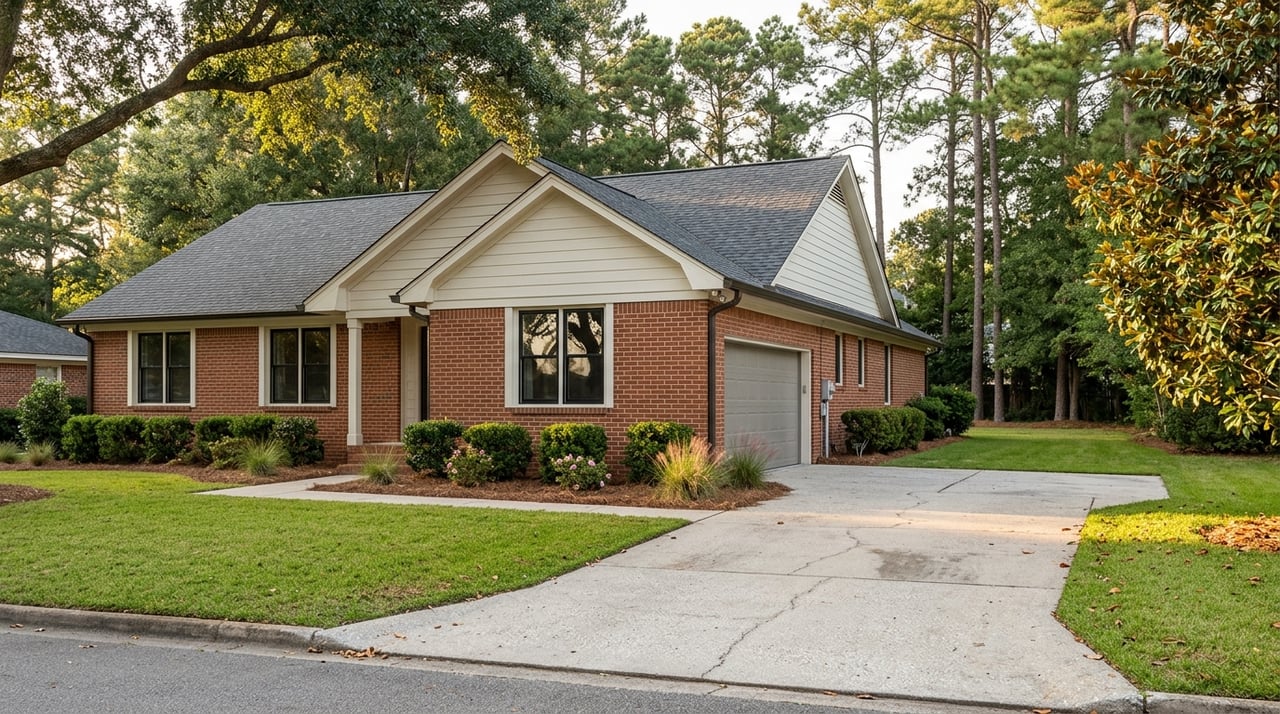
If you want a simpler ownership experience, subdivision living may be the stronger choice. In-town homes often appeal to buyers who prefer more predictable utilities, easier services, and less land maintenance. That can make everyday life feel more straightforward.
This is especially relevant in Cherokee County communities with city utility systems. Jacksonville’s Water and Wastewater Department handles water distribution, treatment, and sewage collection and treatment inside city limits. Rusk lists water, sewer, and trash pickup, and Troup’s public works department oversees water and sewer, with utility billing that can also include garbage and other services.
That setup can reduce the number of moving parts you have to manage. Instead of maintaining a well or septic system, you are more likely to rely on city services already in place. For many buyers, that convenience is a major reason to choose a neighborhood home over rural acreage.
Commutes may feel more predictable
Commute time is another practical difference. Census QuickFacts show a mean travel time to work of 26.9 minutes countywide, compared with 23.5 minutes in Jacksonville and 26.7 minutes in Rusk. While any specific property can vary, those numbers help frame the general lifestyle difference between in-town living and more remote locations.
If you want quick access to town services, a neighborhood home may save time and planning in your daily routine. If you do not mind a little more drive time in exchange for land and privacy, acreage may still be worth it. The key is knowing what kind of schedule works best for you.
Budget differences to expect
Price comparisons between acreage and subdivision homes are not always apples to apples. The county’s median owner-occupied housing value is $169,300, compared with $119,800 in Jacksonville and $157,400 in Rusk. These figures help set a baseline, but they do not fully capture land premiums on larger tracts.
That means a home with acreage may cost more than a similar-sized in-town house, even if the house itself is not dramatically different. You are often paying for the land, privacy, and use options. On the other hand, a subdivision home may offer a lower entry point with fewer surprise maintenance costs tied to land systems.
Internet and connectivity matter too
For many buyers, internet service is now a must-check item. That is especially true if you work from home, homeschool, stream often, or need reliable cell and data access. In Cherokee County, connectivity can differ depending on the location.
Census QuickFacts show households with a broadband subscription at 83.6% countywide, 85.9% in Jacksonville, and 74.7% in Rusk. Those numbers are not a guarantee for any one address, but they do show why internet availability should be part of your property search. Before you commit to acreage, confirm what service is actually available at the tract.
Resale is different for each property type
Both property styles have buyers in Cherokee County, but the buyer pool is not always the same size. A lower-maintenance subdivision home often appeals to the broadest range of buyers. That can make resale more straightforward if you expect to move again in a few years.
Acreage can absolutely sell well too, especially when priced correctly and matched to what land buyers want. Still, the buyer pool is usually more specialized because not everyone wants the upkeep, utility questions, or access considerations that can come with rural property. If resale flexibility matters a lot to you, that is worth weighing early.
Questions to ask before you choose
Whether you are leaning rural or in-town, a few questions can help you compare properties more clearly:
- Will the property have city water and sewer, or will it need septic and possibly a private well?
- What kind of road access does the property have?
- Which taxing entities and school district apply to the parcel?
- Does the land qualify for agricultural or open-space appraisal?
- How reliable is the internet service for your needs?
- How much ongoing property work are you realistically willing to take on?
These questions may sound simple, but they often shape your ownership experience more than the home’s finishes or square footage. A great property fit usually comes down to matching the land and utility setup to your real day-to-day priorities.
Which option fits you best?
Acreage may be the better choice if you want privacy, room to spread out, outdoor use, or flexibility for outbuildings and animals. It can be a great fit when you are comfortable with added due diligence and the ongoing work that comes with land ownership. In Cherokee County, that usually means paying close attention to access, septic, water, and tax details.
Subdivision living may be the better choice if you value convenience, predictable services, easier internet access, and a more straightforward maintenance routine. It can also be a smart option if broad resale appeal matters to you. Neither path is better across the board. The right answer depends on how you want to live.
If you want help comparing acreage and subdivision options in Cherokee County, Norton Property Group can help you look beyond the listing photos and focus on the details that matter most for your goals.
FAQs
What is the main lifestyle difference between acreage and subdivision living in Cherokee County?
- Acreage usually offers more privacy, outdoor space, and flexibility, while subdivision living often offers lower maintenance, city utilities, and easier day-to-day convenience.
What utilities should you check when buying acreage in Cherokee County?
- You should confirm whether the property uses city water and sewer or relies on a septic system and possibly a private well, since rural utility setup can affect both maintenance and due diligence.
How do property taxes work for acreage in Cherokee County?
- Local taxing units set property tax rates, and some qualified agricultural or open-space land may be appraised on productivity value rather than market value, though a rollback tax can apply if the land use changes.
Why does road access matter for rural property in Cherokee County?
- Local appraisal classifications show that some parcels have paved county road or FM access, while others may have dirt road access or be landlocked, which can affect convenience, financing, and resale.
Is internet service different between subdivision homes and acreage in Cherokee County?
- It can be, so buyers who work from home or rely on streaming should verify service availability for a specific address or tract before moving forward.
Which property type usually has broader resale appeal in Cherokee County?
- A lower-maintenance subdivision home often appeals to a wider buyer pool, while acreage usually attracts buyers specifically looking for land and rural features.