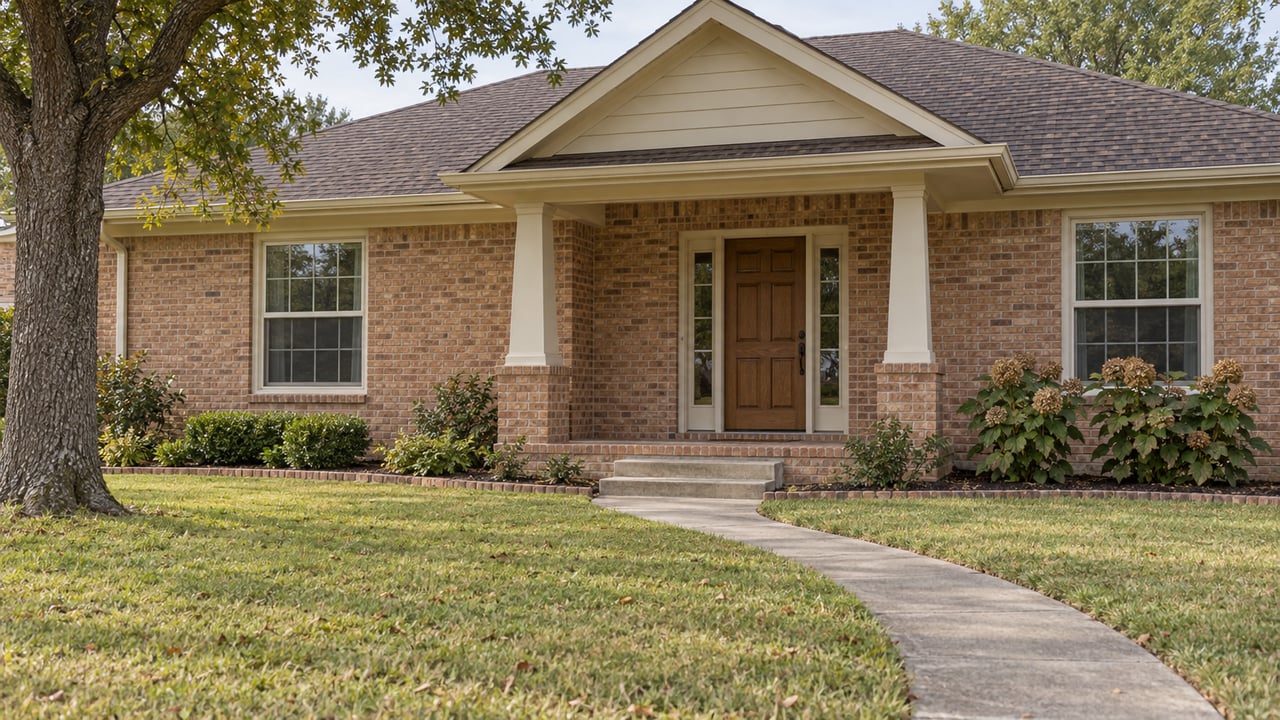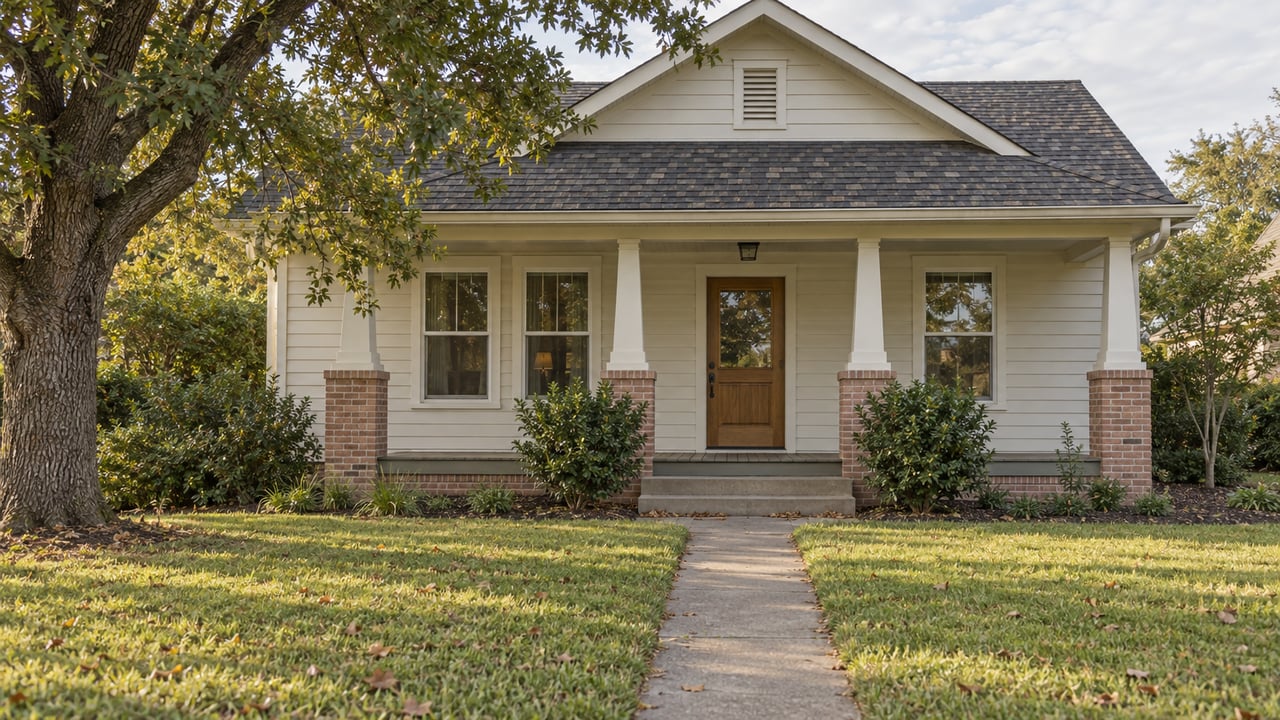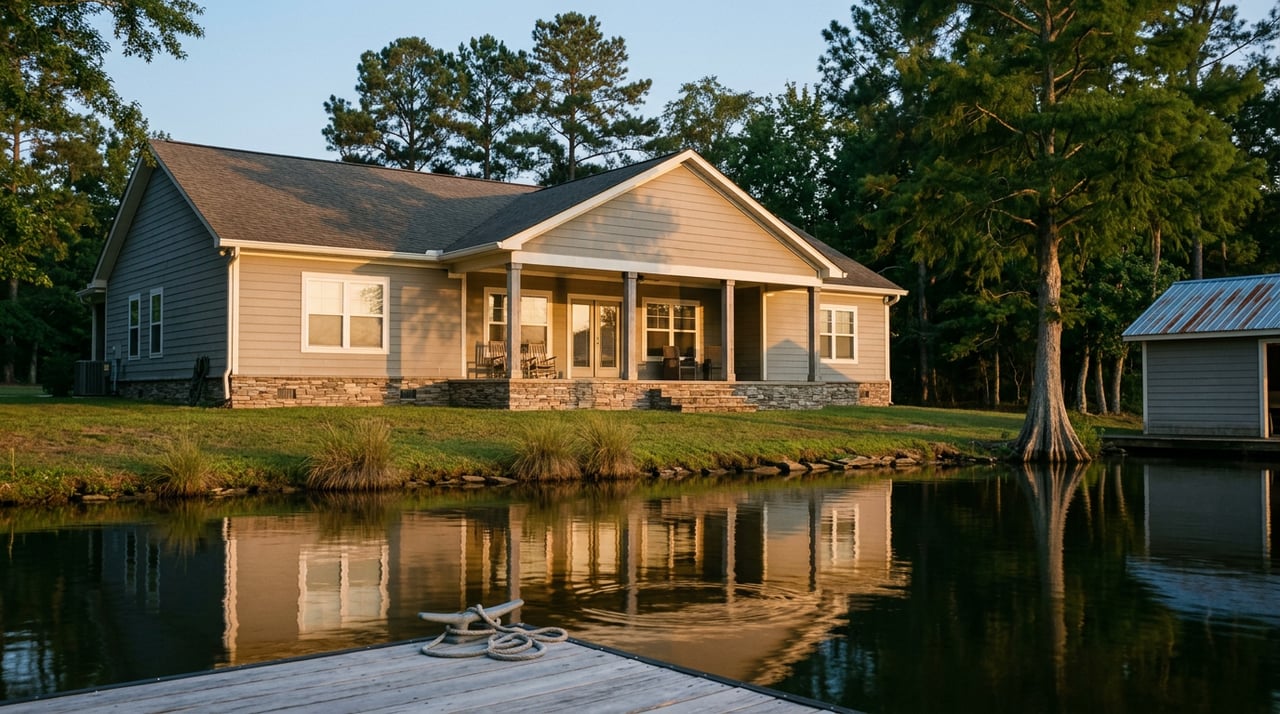
Thinking about buying a few acres around Rusk? It can be an exciting move, whether you want room to build, start a hobby farm, or simply enjoy more space. But land is different from buying a house, and the details that matter most are often the ones you cannot see from the road. This guide will help you understand the key checks to make before you buy so you can move forward with more confidence. Let’s dive in.
Start With Location Rules
One of the first things to confirm is whether the property is inside the City of Rusk or outside city limits. That single detail can change what rules apply to the land, what utilities may be available, and which offices you may need to contact during your due diligence.
Inside the city, you may need to look into zoning, building or code requirements, and city utility service. The City of Rusk routes zoning and variance questions through the city secretary and has separate departments for building/code enforcement and water utilities. That is a strong sign that in-town parcels can come with a different set of expectations than rural tracts.
Outside city limits, the rules are often less about zoning and more about subdivision and access issues. In unincorporated parts of Cherokee County, county authority over land use is more limited than municipal authority. If a tract sits near the edge of town, it is also smart to check whether it falls in an area where city and county subdivision authority may overlap.
Check Legal Access First
A beautiful piece of land is not very useful if you do not have clear legal access to it. Before you get too far into the buying process, make sure the tract has road access supported by recorded documents, not just a driveway that has been used for years.
This is especially important for small acreage and rural land around Rusk, where shared lanes, easements, and older divisions of property can create confusion. Cherokee County subdivision regulations require plats to show rights-of-way, easements, road names or numbers, floodplains, and other details. In the subdivision context, the county rules also reference at least 60 feet of frontage to the adjoining street.
Recorded plat records and county records can help confirm what actually exists on paper. If a listing mentions access, frontage, or easements, you still want those details verified through the proper records and your title work.
Why frontage matters
Frontage can affect more than how the property looks from the road. It may influence how you enter the property, where utilities can run, and whether a future homesite is practical.
On smaller tracts, frontage questions can also affect how easily the parcel can be used, financed, or improved later. That is why access and frontage are some of the first items worth checking when you are comparing land options around Rusk.
Review Title Beyond Surface Ownership
With land in Texas, the deed matters in a big way. You are not only looking at who owns the surface. You also want to understand whether mineral rights or groundwater rights were kept by a prior owner.
Texas law allows the surface estate to be separated from the mineral estate. It also allows groundwater rights to be severed from surface ownership. That means a buyer should review the title carefully to see what is included with the tract and what may have been reserved in earlier transfers.
This matters because mineral ownership can come with rights to use the surface as reasonably necessary for oil and gas development. Groundwater can raise a separate issue if you are counting on drilling a well. In short, do not assume the land automatically includes every right you expect.
Understand Water and Wastewater Options
Utilities are one of the biggest differences between in-town lots and rural acreage. The City of Rusk provides municipal water, sewer, and trash service to city utility customers, but land outside town often relies on private solutions.
If you are buying a rural tract, confirm utility availability before you treat it as build-ready. A property may look perfect for a home or cabin, but the real question is whether water, wastewater, and other basic services can actually be put in place.
Septic systems require more than a guess
For wastewater, many rural properties will need an on-site sewage facility, commonly called a septic system. In Texas, these systems require a permit and must be designed based on a site evaluation that considers local conditions.
TCEQ states that almost all OSSF work requires a permit before construction, installation, repair, extension, or alteration. Cherokee County subdivision regulations also tie septic inspection and certification to compliance with TCEQ rules. That means you should not assume a tract can support septic just because nearby properties do.
Well feasibility is not automatic
For water supply, a rural buyer may be looking at a private well. But well feasibility is not just a drilling question. It can also be a title question and a regulatory question.
Texas A&M AgriLife notes that groundwater rights can be severed from the surface estate, and groundwater production may also be subject to local district rules. If your plan depends on a water well, make sure your due diligence includes both title review and questions about what rules may apply.
Look Closely at Floodplain and Drainage
Floodplain and drainage issues can make or break a land purchase. Low-lying land may appear usable during a dry showing, but maps and county requirements tell a more complete story.
Cherokee County subdivision regulations require floodplain information on plats and include floodplain-development-permit language. Buyers should also use the official flood-hazard source identified by FEMA and repeated by the Texas Water Development Board when checking flood risk.
Even if only part of a tract is affected, that can influence where you build, where you place a driveway, or how you plan drainage improvements. Around Rusk, this is one of those items that deserves a real check early in the process.
Know How Ag Valuation Really Works
A lot of buyers ask whether a tract comes with an "ag exemption." In Cherokee County, that phrase is not technically correct. Cherokee CAD explains that the real concept is special-use valuation.
For land to qualify, the key questions include whether the property has actual agricultural or timber use, whether it has been used that way in five of the most recent seven years, and whether the tract can support production typical for the area. There is no automatic minimum acreage, but very small tracts may not qualify if they cannot realistically support the claimed use.
Small acreage does not guarantee special valuation
This is where many buyers get surprised. A seller may say a tract has an ag value today, but that does not mean the same status will carry over without review.
Cherokee CAD says a title change may require a new application because the ownership on the deed must match the ownership on the application. If your plan is residential rather than agricultural or timber use, you also need to understand what a later use change could mean.
A use change can trigger extra taxes
If land moves from qualifying ag or timber use to residential or commercial use, Cherokee CAD states that a rollback-style penalty can apply. The brochure describes that penalty as the tax difference for the previous five years, plus 7% annual interest.
That is a major reason to ask questions before you buy, not after closing. If your future plans differ from the property’s current use, make sure you understand the tax impact upfront.
Do Not Overlook Tax Timing
Property taxes can seem routine, but they still deserve attention during a land purchase. Cherokee County’s tax office notes that tax notices are usually mailed in October and that penalty and interest begin on February 1.
For buyers, that makes tax prorations, address updates, and post-closing mail routing more important than they may sound. If you are buying acreage around Rusk, it helps to know exactly what is due, when notices are sent, and how the account will be handled after the transfer.
A Simple Rusk Land Checklist
If you want a practical way to compare parcels, start with these questions:
- Is the tract inside the City of Rusk or outside city limits?
- If it is near town, is there any overlapping city and county subdivision authority to check?
- Does the property have legal road access backed by recorded documents?
- Are frontage, easements, and plat details clear?
- Will the tract need a well, septic system, or both?
- Are mineral rights or groundwater rights included, or were they reserved?
- Is any part of the property in a floodplain?
- Could the land qualify for ag or timber valuation?
- If the use changes later, could additional taxes and interest apply?
How Local Guidance Helps
Land purchases often involve more moving parts than buyers expect. The right next step is usually not one big answer, but a sequence of smaller checks done in the right order.
A local, land-savvy agent can help you narrow in on the issues early before you tie up earnest money. That may include confirming whether the parcel is in town or outside town, helping you identify access questions, coordinating title and survey review, checking utility and septic feasibility, and comparing your intended use with county and state requirements.
When you are buying land and small acreage around Rusk, local knowledge matters because every tract has its own facts. If you want a practical guide who understands Cherokee County and will help you ask the right questions from the start, reach out to Norton Property Group.
FAQs
What should you check first when buying land around Rusk?
- Start by confirming whether the tract is inside the City of Rusk or outside city limits, then verify legal access, utilities, floodplain status, and title details.
What does legal access mean for a Rusk-area land purchase?
- Legal access means the property has a documented right to reach a public road, usually confirmed through recorded easements, frontage, plats, or other county records.
Can a small acreage tract near Rusk use a septic system?
- Possibly, but you should not assume it can. Septic systems require a permit and a site evaluation, and compliance must follow TCEQ rules.
Do land buyers around Rusk need to worry about mineral rights?
- Yes. In Texas, mineral rights and groundwater rights can be severed from the surface estate, so title review should confirm what rights are included with the purchase.
Can any small tract in Cherokee County get ag valuation?
- No. Cherokee CAD states there is no automatic minimum acreage, but the tract still must support qualifying agricultural or timber use typical for the area and meet the required use history.
What happens if Cherokee County land changes from ag use to residential use?
- A rollback-style penalty may apply, described by Cherokee CAD as the tax difference for the previous five years plus 7% annual interest.
Why does floodplain status matter for land near Rusk?
- Floodplain status can affect where you build, whether permits are needed, and how practical the tract is for your intended use, so it should be checked early.