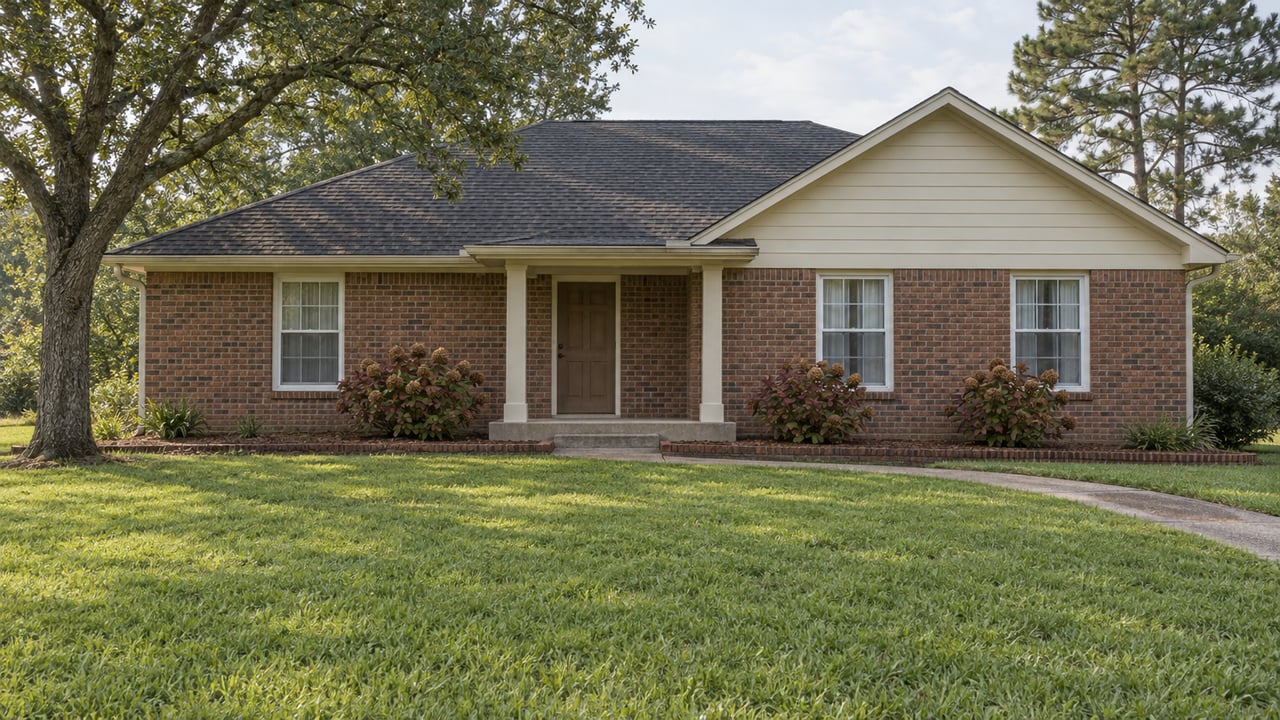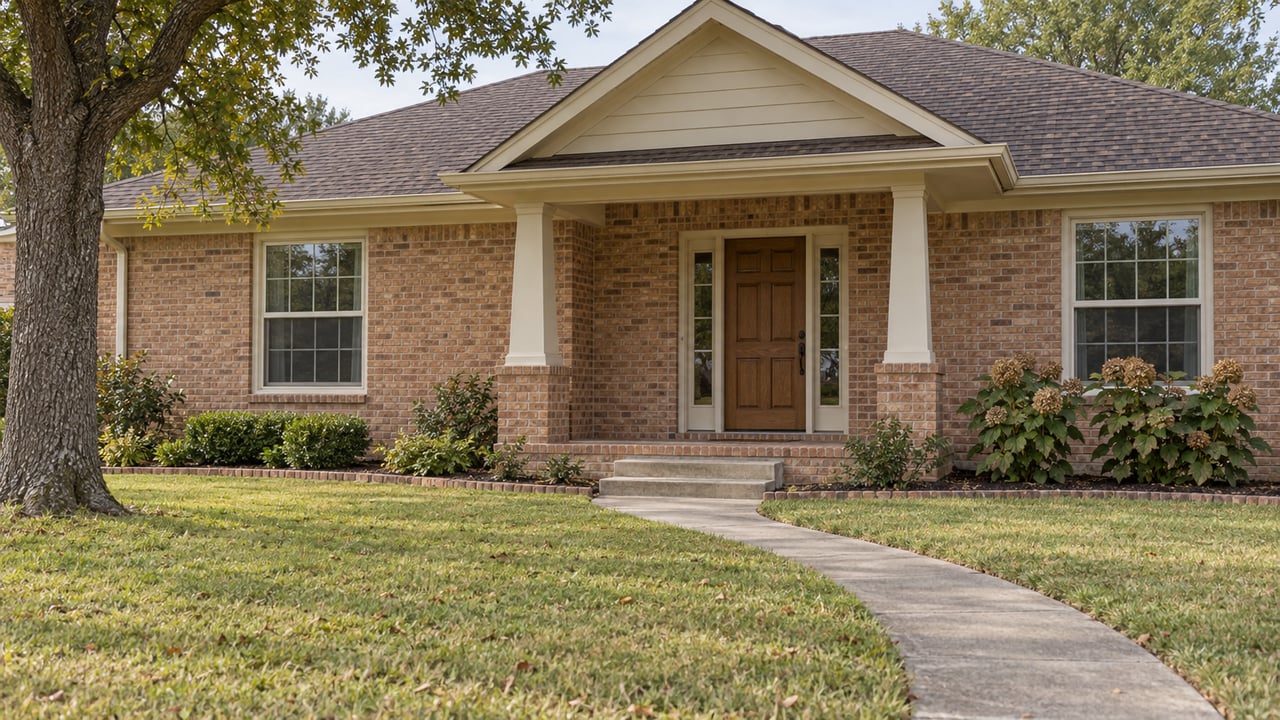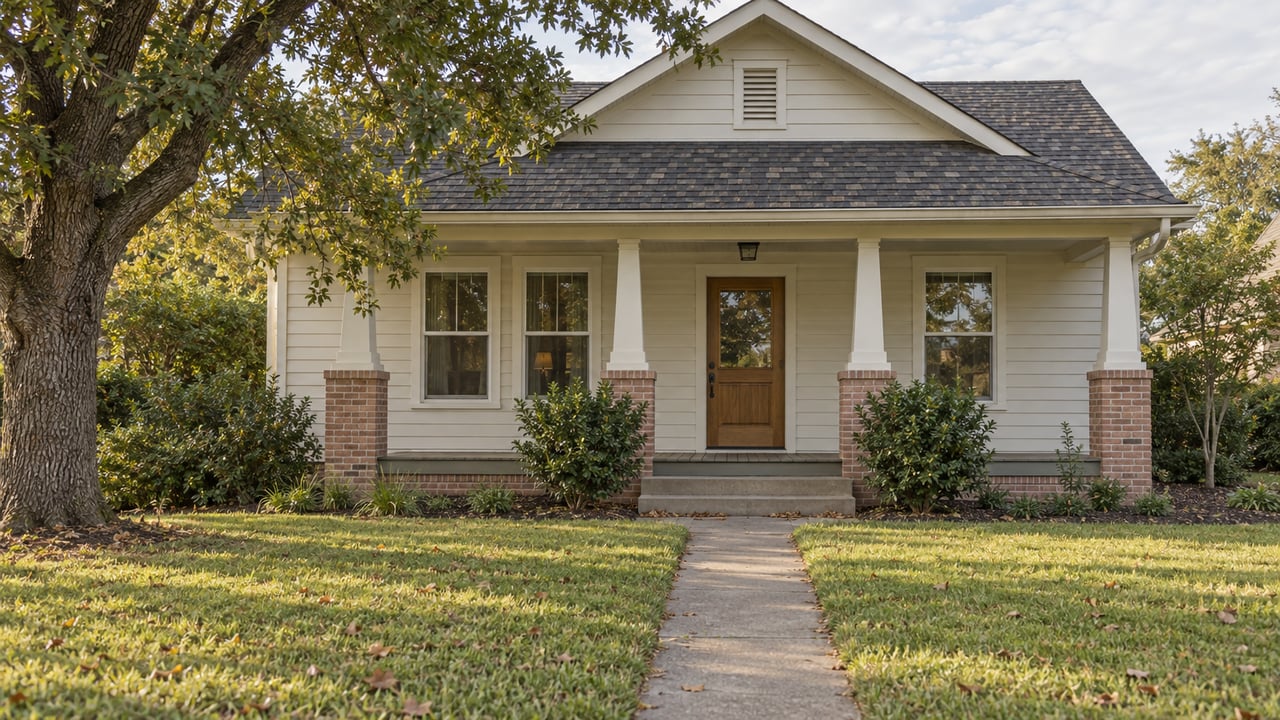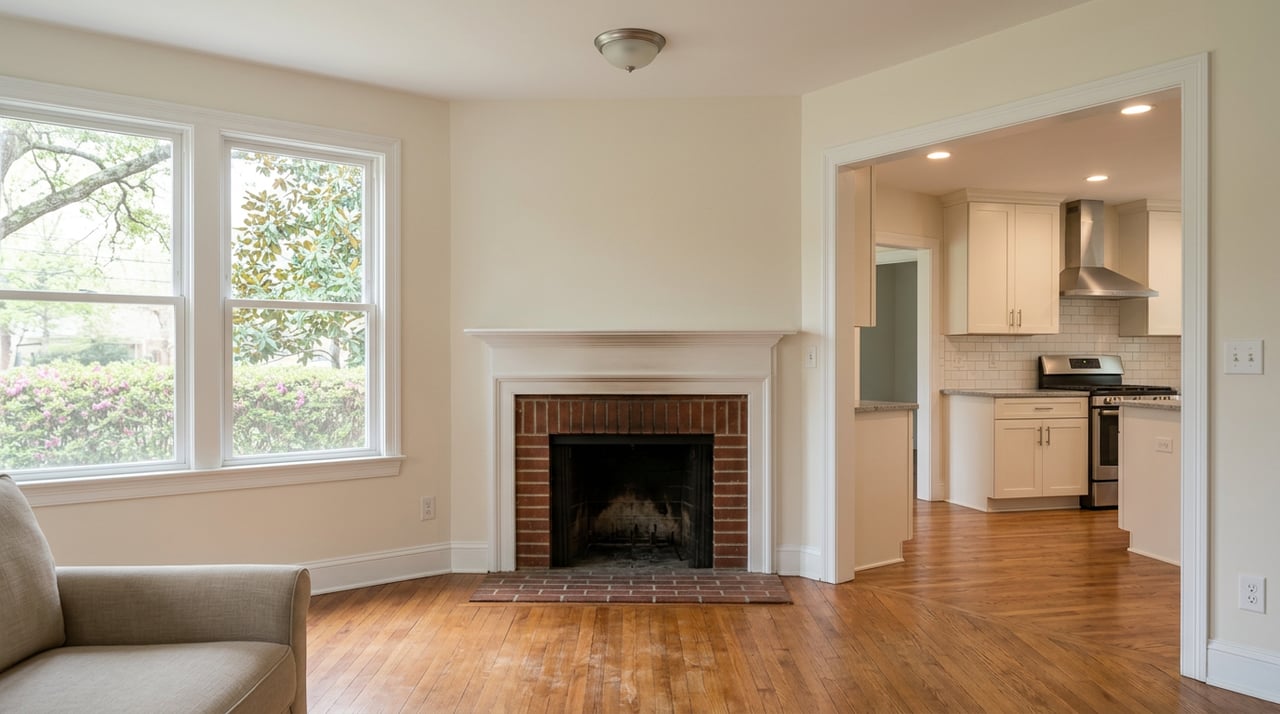
Trying to choose between an older home with character and a newer build with modern features in Lufkin? You are not alone. Your decision likely comes down to budget, maintenance comfort, energy costs, and the kind of neighborhood feel you want. In this guide, you will get a clear, Lufkin‑specific comparison, practical checklists, and a simple decision path to help you move forward with confidence. Let’s dive in.
Lufkin market snapshot
If you are shopping in Lufkin and greater Angelina County, you will see a mix of established neighborhoods and active new construction. The local housing stock is broad, with roughly 21,500 total housing units and a median owner‑occupied home value near $180,600, according to the American Community Survey summary for Lufkin’s CCD profile. You can explore these baseline figures on the Census Reporter profile for Lufkin’s market area for helpful context on local affordability.
- Explore owner‑occupied values and housing counts on the Census Reporter profile for Lufkin’s CCD area: CensusReporter.org
Property taxes and insurance are part of your total monthly cost. The Angelina County Appraisal District’s annual report lists tax rates and is the best starting point for modeling carrying costs. If a property is near mapped floodplains, a lender may require flood insurance, so you should check local hazard maps early in your search.
- Review tax context in the Appraisal District’s 2024 report: Angelina County Appraisal District
- See the joint Hazard Mitigation Plan for flood‑risk resources and map references: City of Lufkin and Angelina County HMP
Older vs. newer at a glance
| What you’ll notice | Older homes | Newer homes |
|---|---|---|
| Layout and character | More compartmentalized rooms, original millwork and hardwoods, mature trees, and established streets closer to town. | Open kitchens and living areas, larger primary suites, attached garages, and modern storage. |
| Maintenance profile | Higher near‑term uncertainty. Inspect roof, HVAC, plumbing, electrical, and past water intrusion. Plan a repair budget. | Lower short‑term risk if under builder warranty. Still inspect for grading, drainage, and finish issues. |
| Energy and utilities | May predate modern energy codes. Often benefit most from attic insulation, air sealing, and HVAC upgrades. | Built to newer codes with better insulation, windows, and higher‑efficiency HVAC. |
| Neighborhood context | Architectural variety and history. Some properties may be in or near designated historic areas. | Standardized lots and streets, sometimes HOAs, proximity to newer retail and services. |
| Financing paths | Renovation loans can bundle repairs and updates into one mortgage if eligible. | Conventional financing is typical. Warranty coverage can offset early repair costs. |
How each option feels day to day
Older homes
Older Lufkin houses often deliver warm details like original wood floors, varied ceiling heights, and porch‑front streets with mature trees. Floorplans may be less open, so you will want to map your routines to each room. In and around town, you may also encounter properties with historic significance. For context on local landmarks and preservation, see the Texas Historical Commission’s records, such as entries for the Kurth Home and Collins‑Shotwell House, within the Texas Historical Commission Atlas.
Newer homes
Newer builds in and around Lufkin usually highlight open living areas, modern kitchens, and primary suites designed for today’s storage and bath needs. Many offer low‑maintenance materials and contemporary electrical and plumbing systems configured for modern lifestyles. If you prefer fewer near‑term projects and like the predictability of a builder warranty, newer construction can be a good fit.
Maintenance realities to plan for
When touring older homes
Expect a wider range of ages and upgrades. Inspectors often prioritize the roof, HVAC age, plumbing materials, electrical panels and outlets, and signs of past moisture. In East Texas, termite exposure is common, so a wood‑destroying insect report is standard due diligence. Texas A&M AgriLife Extension provides helpful guidance on local termite species and seasonal swarms. You can review their overview here: Texas A&M Extension termite guidance.
A practical approach is to set a repair budget based on inspection findings. If big‑ticket items like HVAC, roof, or electrical upgrades are needed, you can negotiate repairs or credits.
When touring newer homes
Even with a brand‑new or recent build, you should still hire an independent inspector. Typical focus areas include grading and drainage at the foundation, plumbing leaks, window seals, and finish items that belong on a punch list. Confirm warranty coverage details and who handles post‑closing service.
Energy efficiency and monthly bills
Lufkin has adopted the 2018 International Residential Code for one‑ and two‑family homes. That means recent construction meets modern standards for insulation, mechanical systems, and electrical safety. You can review the city’s adopted code references here: City of Lufkin Code of Ordinances.
If you love an older home, you can often close the comfort gap with targeted upgrades. National guidance shows that attic insulation, air sealing, and HVAC improvements tend to deliver the largest comfort and bill reductions in older houses. A professional home energy assessment can help you prioritize upgrades. Learn more about assessments from the U.S. Department of Energy: EnergySaver Home Energy Assessments.
Land, soils, and flood risk in Angelina County
- Termites. East Texas is an active termite region. Make a WDI inspection part of your standard process for both older and ground‑contact newer homes. See county‑level guidance from Texas A&M AgriLife Extension: Termite overview.
- Soils and foundations. Parts of Angelina County feature clay‑rich, shrink‑swell soils. These can influence slab movement, so drainage and foundation performance deserve attention. A structural engineer review is wise if you see cracking or settlement. For a technical snapshot of local soil characteristics, review NRCS soil descriptions, such as this example report: NRCS soil site description.
- Flood risk. Portions of the county include mapped FEMA floodplains. Check FEMA’s panels and the local Hazard Mitigation Plan to understand zones and potential insurance requirements. Start with the joint plan here: Angelina County and Lufkin HMP.
Quick touring checklists
Older homes: what to verify fast
- Roof age and visible condition. Ask for replacement paperwork if available.
- HVAC age and service records. Ask if the system has been replaced in the last 10–15 years.
- Plumbing materials and any history of leaks or sewer repairs.
- Electrical panel type and the presence of modern GFCI/AFCI protection.
- Signs of past water intrusion in ceilings, walls, crawlspaces, or the attic.
- Termite/WDI reports or recent treatment contracts.
- Permits for major past work, such as additions or system upgrades.
Newer homes and new construction: what to confirm
- Exact builder warranty coverage and duration for structure and systems.
- Grading and drainage around the slab. Look for proper slope away from the foundation.
- Finish quality, including doors, trim, paint, tile, and caulking.
- Energy specs if efficiency matters to you. Ask about AC SEER rating, insulation R‑values, and window performance.
Recommended inspections and pro help
- Standard home inspection covering structure, roof, HVAC, plumbing, and electrical.
- Wood‑destroying insect inspection, common in East Texas and often requested by lenders.
- Sewer scope for older neighborhoods, especially if you see slow drains or history of sewer work.
- Structural engineer review if you observe significant cracks or settlement.
- HVAC contractor quote if the system is at or near typical replacement age.
Cost, financing, and insurance to consider
- Budgeting for repairs. Older homes often come with more near‑term unknowns. Plan a post‑inspection repair budget or negotiate seller credits. Newer homes shift some risk to the warranty period, though costs can appear after warranties expire.
- Renovation loans. If you want to buy an older home and fold renovation costs into your mortgage, ask lenders about products like FHA 203(k) or Fannie Mae’s HomeStyle Renovation. Program details and eligibility vary by lender and property. For a primer on FHA 203(k), see this overview: FHA 203(k) basics.
- Property taxes and flood insurance. Confirm the property’s tax rates with the appraisal district and review floodplain status. If a home is in a high‑risk flood zone, your lender may require flood insurance. Start here for tax and hazard information: Angelina County Appraisal District and the local Hazard Mitigation Plan.
A simple decision guide
- You want low immediate maintenance and a predictable setup. Focus on newer homes and confirm warranty details. Still do a thorough inspection.
- You love architectural character and are comfortable planning upgrades. Consider older homes, but prioritize inspections for roof, HVAC, plumbing, electrical, and termites. Build a repair budget.
- You want fewer surprises on energy costs. Ask for HERS or equipment specs in newer homes. For older homes, price out attic insulation, air sealing, and HVAC improvements.
- You need flexibility on layout. Walk both options with a tape measure. Map your daily routines to the floorplan and storage in each home.
Ready to compare homes side by side?
If you are weighing charm versus convenience, you do not have to decide alone. A local, hands‑on advisor can help you vet construction quality, review inspections, and model total ownership costs. When you are ready, reach out to Norton Property Group to schedule a focused tour plan in Lufkin and nearby East Texas communities.
FAQs
What should I inspect first when buying an older home in Lufkin?
- Start with roof age and condition, HVAC age and service history, plumbing materials, electrical panels and safety devices, signs of moisture, and a termite inspection due to East Texas exposure.
Are new homes in Lufkin built to modern energy codes?
- Yes. Lufkin has adopted the 2018 International Residential Code, so recent construction meets modern standards for insulation, mechanicals, and electrical. Always verify specs with the builder.
How big a concern are termites for Lufkin homes?
- Termites are a known regional risk in East Texas, so a WDI inspection is common for both older and ground‑contact newer homes. Texas A&M AgriLife Extension offers reliable local guidance.
How do I check property taxes and possible flood insurance requirements?
- Use the Angelina County Appraisal District’s resources to estimate property taxes, and review local hazard maps to see if a lender may require flood insurance.
Can I finance renovations when I buy an older Lufkin home?
- Possibly. Some buyers use renovation loans like FHA 203(k) or HomeStyle Renovation to combine purchase and upgrades in one mortgage, subject to lender and property eligibility.